Showing posts with label bill russell. Show all posts

Friday, February 3, 2017

Top 10 Centers of All-Time

10. Willis Reed
9. Patrick Ewing
8. George Mikan
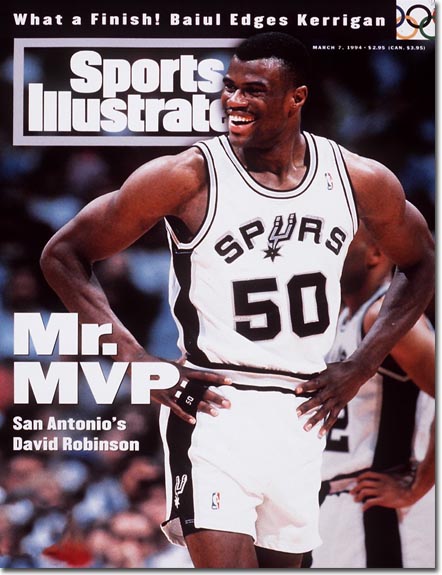
7. David Robinson
6. Moses Malone
5. Hakeem Olajuwon
4. Shaquille O'Neal
3. Bill Russell
2. Wilt Chamberlain
1. Kareem Abdul-Jabbar


10. Willis Reed:


Regular Season:
PPG: 18.7
RPG: 12.9
APG: 1.8
SPG: 0.6
BPG: 1.1
FG%: 47.6%
FT%: 74.7%

Playoffs:
PPG: 17.4
RPG: 10.3
APG: 1.9
SPG: 0.2
FG%: 47.4%
FT%: 76.5%

Achievements:
All-Star Selections: 7
NBA Rookie of the Year (1965)
NBA All-Star Game MVP (1970)
NBA MVP (1970)
Top 2 in MVP Voting: 2 times (1969, 1970)
Top 5 in MVP Voting: 3 times (1969, 1970, 1971)
NBA Finals MVP (1970, 1973)
NBA Champion: (1970, 1973)


9. Patrick Ewing:


Regular Season:
PPG: 21.0
RPG: 9.8
APG: 1.9
SPG: 1.0
BPG: 2.4
FG%: 50.4%
FT%: 74.0%

Playoffs:
PPG: 20.2
RPG: 10.3
APG: 2.0
SPG: 0.9
BPG: 2.2
FG%: 46.9%
FT%: 71.8%

Achievements:
All-Star Selections: 11
NBA Rookie of they Year (1986)
All-NBA 1st Teams: 1
All-NBA 2nd Teams: 6
All-Defensive Teams: 3
Top 5 in MVP Voting: 6 times ('89, '90, '92, '93, '94, '95)
Top 10 in MVP Voting: 7 times ('89, '90, '92, '93, '94, '95, '97)
Hall of Fame: Class of 2008


8. George Mikan:


Regular Season:
PPG: 23.1
RPG: 13.4
APG: 2.8
FG%: 40.4%
FT%: 78.2%

Playoffs:
PPG: 24.0
RPG: 13.9
APG: 2.2
FG%: 40.4%
FT%: 78.6%

Achievements:
All-Star Selections: 4
All-NBA 1st Teams: 5
All-BAA 1st Teams: 1
NBA All-Star Game MVP: (1953)
BAA Championships: 1
NBA Championships: 4
3-time Scoring Champion: (1949, 1950, 1951)
Hall of Fame: Class of 1959


7. David Robinson:


Regular Season:
Games: 987
PPG: 21.1
RPG: 10.6
APG: 2.5
SPG: 1.4
BPG: 3.0
FG%: 51.8%
FT%: 73.6%

Playoffs:
Games: 123
PPG: 18.1
RPG: 10.6
APG: 2.3
SPG: 1.2
BPG: 2.5
FG%: 47.9%
FT%: 70.8%

Achievements:
All-Star Selections: 10
NBA Rookie of the Year (1990)
NBA MVP Awards: 1 (1995)
Top 2 in MVP Voting: 3 times ('94, '95, '96)
Top 3-5 in MVP Voting: 5 times ('91, '92, '94, '95, '96)
Top 10 in MVP Voting: 9 times ('90-'96, '98, 2001)
League Leader in Rebounding: (1991)
League Leader in Blocks: (1992)
Defensive Player of the Year: (1992)
League Leader in Scoring: (1994)
NBA Championships: 2 (1999, 2003)
All-NBA 1st Teams: 4
All-NBA 2nd Teams: 2
All-NBA 3rd Teams: 4
All-Defensive 1st Teams: 4
All-Defensive 2nd Teams: 4
Hall of Fame: Class of 2009


6. Moses Malone:


Regular Season:
Games: 1,455
PPG: 20.3
RPG: 12.3
APG: 1.3
SPG: 0.8
BPG: 1.3
FG%: 49.5%
FT%: 76.0%

Playoffs:
Games: 100
PPG: 22.1
RPG: 14.0
APG: 1.5
SPG: 0.8
BPG: 1.6
FG%: 48.7%
FT%: 75.6%

Achievements:
All-Star Selections: 12
NBA MVP Awards: 3 (1979, '82, '83)
Top 5 in MVP Voting: 5 times ('79, '81, '82, '83, '85)
NBA Finals MVP: 1 (1983)
NBA Championships: 1 (1983)
7th All-Time in Points: (29,580)
3rd All-Time in Rebounds: (17,834)
1st All-Time in Offensive Rebounds: (7,382)
5th All-Time in Games Played: (1,455)
6x Leader in Rebounding: ('79, '81, '82, '83, '84, '85)
All-NBA 1st Teams: 4
All-NBA 2nd Teams: 4
All-Defensive 1st Teams: 1
All-Defensive 2nd Teams: 1
Hall of Fame: Class of 2001


5. Hakeem Olajuwon:


Regular Season:
Games: 1,238
PPG: 21.8
RPG: 11.1
APG: 2.5
SPG: 1.7
BPG: 3.1
FG%: 51.2%
FT%: 71.2%

Playoffs:
Games: 145
PPG: 25.9
RPG: 11.2
APG: 3.2
SPG: 1.7
BPG: 3.3
FG% 52.8%
FT%: 71.9%

Achievements:
All-Star Selections: 12
NBA MVP Awards: 1 (1994)
Top 2 in MVP Voting: 2 times (1993, 1994)
Top 3 in MVP Voting: 2 times ('93, '94)
Top 5 in MVP Voting: 6 times ('86, '89, '93, '94, '95, '96)
Top 10 in MVP Voting: 10 times ('86, '87, '88, '89, '90, '93, '94, '95, '96, '97)
NBA Finals MVP Awards: 2 (1994, 1995)
NBA Championships: 2 (1994, 1995)
Defensive Player of the Year Awards: 2 (1993, 1994)
All-NBA 1st Teams: 6
All-NBA 2nd Teams: 3
All-NBA 3rd Teams: 3
All-Defensive 1st Teams: 5
All-Defensive 2nd Teams: 4
2x League Leader in Rebounds: ('90, '91)
3x League Leader in Blocks: ('90, '91, '93)
NBA All-Time Leader in Blocks: (3,830)
Top 10 All-Time in Steals: (2,162)
11th All-Time in Total Points: (26,946)
13th All-Time in Rebounds: (13,748)
Hall of Fame: Class of 2008


4. Shaquille O'Neal:


Regular Season:
Games: 1,207
PPG: 23.7
RPG: 10.9
APG: 2.5
SPG: 0.6
BPG: 2.3
FG%: 58.2%
FT%: 52.7%

Playoffs:
Games: 216
PPG: 24.3
RPG: 11.6
APG: 2.7
SPG: 0.5
BPG: 2.1
FG%: 56.3%
FT%: 50.4%

Achievements:
All-Star Selections: 15
Rookie of the Year (1993)
NBA MVP Awards: 1 (2000)
Top 2 in MVP Voting: 3 times ('95, 2000, '05)
Top 3 in MVP Voting: 5 times ('95, '00, '01, '02, '05)
Top 5 in MVP Voting: 8 times ('94, '95, '98, '00, '01, '02, '03, '05)
Top 10 in MVP Voting: 13 times ('93-'05)
NBA Finals MVP Awards: 3 (2000-2002)
NBA Championships: 4 (2000-2002, 2006)
3x All-Star Game MVP: (2000, 2004, 2009)
All-NBA 1st Teams: 8
All-NBA 2nd Teams: 1
All-NBA 3rd Teams: 4
2x Leader in Scoring: (1995, 2000)
Hall of Fame: Class of 2016

3. Bill Russell:


Regular Season:
Games: 963
PPG: 15.1
RPG: 22.5
APG: 4.3
FG%: 44%
FT%: 56.1%

Playoffs:
Games: 165
PPG: 16.2
RPG: 24.9
APG: 4.7
FG%: 43%
FT%: 60.3%'

Achievements:
All-Star Selections: 12
NBA MVP Awards: 5 (1958, '61, '62, '63, '65)
Top 2 in MVP Voting: 7 times ('58-'63, '65)
Top 3 in MVP Voting: 9 times ('58-'65, '67)
Top 5 in MVP Voting: 11 times ('58-'67, '69)
Top 10 in MVP Voting: 12 times ('57-'67, '69)
NBA Championships: 11
NBA All-Star Game MVP (1963)
All-NBA 1st Teams: 3
All-NBA 2nd Teams: 8
All-Defensive 1st Teams: 1
League Leader in Rebounding: 5 times
2nd All-Time in Total Rebounds (21,620)
2nd All-Time in Rebounds Per Game (22.5)
Hall of Fame: Class of 1975

2. Wilt Chamberlain:


Regular Season:
Games: 1,045
PPG: 30.1
RPG: 22.9
APG: 4.4
FG%: 54%
FT%: 51%

Playoffs:
Games: 160
PPG: 22.5
RPG: 24.5
APG: 4.2
FG%: 52.2%
FT%: 46.5%

Achievements:
All-Star Selections: 13
Rookie of the Year: (1960)
NBA All-Star Game MVP: (1960)
MVP Awards: 4 (1960, '66-'68)
Top 2 in MVP Voting: 6 times ('60, '62, '64, '66, '67, '68)
Top 3 in MVP Voting: 7 times ('60, '62, '64, '66, '67, '68, '72)
Top 5 in MVP Voting: 10 times ('60, '61, '62, '64, '65, '66, '67, '68, '72, '73)
NBA Championships: 2 (1967, '72)
Finals MVP Awards: 1 (1972)
5th All-Time Leader in Scoring: (31,419)
1st All-Time in Rebounding: (23,924)
All-NBA 1st Teams: 7
All-NBA 2nd Teams: 3
All-Defensive 1st Teams: 2
Scoring Titles: 7 ('60-'66)
League Leader in Field Goal Percentage: 9 times ('61, '63, '65-'69, '72, '73)
Rebounding Titles: 11 ('60-'63, '66-'73)
Highest Scoring Average for a Rookie: (37.6 ppg- 1960)
Most Points for a Rookie: (2,707- 1960)
Highest Scoring Average in a Season: (50.4 ppg- 1962)
Most Points in a Single Game: (100- vs. Knicks 3/2/1962)
Most Points in a Season (4,029- 1962)
Most Rebounds in a Single Game (55)
Hall of Fame: Class of 1979

1. Kareem Abdul-Jabbar:


Regular Season:
Games: 1,560
PPG: 24.6
RPG: 11.2
APG: 3.6
SPG: 0.9
BPG: 2.7
FG%: 56%
FT%: 72%


Playoffs:
Games: 237
PPG: 24.3
RPG: 10.5
APG: 3.2
SPG: 1.0
BPG: 2.4
FG%: 53.3 %
FT%: 74.0%

Achievements:
All-Star Selections: 19
Rookie of the Year (1970)
MVP Awards: 6 (1971, '72, '74, '76, '77, '80)
Top 2 in MVP Voting: 7 times ('71, '72, '73, '74, '76, '77, '80)
Top 3 in MVP Voting: 9 times ('70, '71, '72, '73, '74, '76, '77, '80, '81)
Top 5 in MVP Voting: 15 times ('70, '71, '72, '73, '74, '75, '76, '77, '78, '79, '80, '81, '84, '85, '86)
Top 10 in MVP Voting: 17 times ('70-'86)
NBA Championships: 6 (1971, '80, '82, '85, '87, '88)
Finals MVP Awards: 2 ('71, '85)
NBA All-Time Leading Scorer: (38,387)
4th All-Time in Rebounds: (17,440)
1st All-Time in Minutes (57,446)
2nd All-Time in Games Played (1,560)
Career-High Scoring Average: 34.8 (1972)
2x Leader in Scoring: ('71, '72)
Rebounding Leader: 1
Blocks Leader: 4
All-NBA 1st Teams: 10
All-NBA 2nd Teams: 5
All-Defensive 1st Teams: 5
All-Defensive 2nd Teams: 6
Hall of Fame: Class of 1995


Thursday, December 15, 2016

NBA Monarchy of Greatness: All-Time Greats (Part I)

Today, I would like to take the time to explore NBA History and analyze each decade to see who was the Greatest Player of each time frame. I will break down the time period that each player was at their most dominant. Players are seen by their fans all across the world as Emperors and Kings when they dominate. It will be like a "Game of Thrones" kind of approach so to speak. So please join me if you will on this journey through time.


I- 1946-54: King George of Minneapolis
Challengers: Bob Cousy, Dolph Schayes

During the Genesis of the NBA Monarchy, King George of Minneapolis ruled the Basketball Kingdom with sheer force as he laid waste to his competition. Mikan was the first Emperor of Basketball as he lead his Lakers of Minneapolis to 5 NBA Championships. King George may not have looked intimidating, but he struck fear into the hearts of those that would stand in his way.

1954-56: Transitional Period

As King Mikan would relinquish the throne in 1954, the Basketball Kingdom would go through a transitional phase. The likes of Bob Pettit, Bob Cousy, Dolph Schayes and others would have moments where it seemed like they would be the successor. However,

II- 1956-67: Emperor William of Boston
Challengers: Wilt Chamberlain, Bob Pettit, Elgin Baylor, Jerry West, Oscar Robertson

In the Summer of 1956, Emperor William the Conqueror entered the Basketball world and revolutionized Defense in a way that was never seen before or seen since as his Emerald Kingdom of Boston known as the Celtics would build a Wall of Defense around the NBA Crown for the Entire Decade of the 1960's. The Celtic Kingdom led by Elder Council Arnold the Red, Russell would elevate a race of people that were once seen as unfit to rule the Basketball world. King William would break many barriers during his reign by winning 11 Championships with 8 straight in between. He would also make history as the first Player/Coach. Russell would also win 5 MVP Awards while conquering fellow Giant Wilt The Warrior. William is the only King/General to never fall in a 7-game do or die battle.

III- 1964-72: King Wilt The Warrior
Challengers: Bill Russell, Willis Reed, Jerry West, Lew Alcindor, Oscar Robertson


As Emperor Russell ruled the NBA with an Iron Fist, there was another Giant that had his own throne as he pillaged opponents with Brute Strength and Force. King Wilt the Warrior was unlike anything that Russell and others had ever seen. Wilt broke ground as the first dominant 7-foot Giant with monster like athleticism and power. They knew that he was coming, but could not stop him. From the moment young Wilt arrived on the landscape in 1959-60, he dominated and destroyed his adversaries by winning both the MVP and Rookie of the Year in the same season. King Wilt would continue to leave a trail of bodies in his wake when he averaged 50.4 PPG, along with an unprecedented 100 point game as his Warriors would defeat the Yorkshires of New York on the 2nd of March of 1962. However, King Wilt's only weakness was that he lacked a consistent army that he could assemble to capture the Basketball Crown. For the first 7 Seasons, King Wilt was seen as the best Individual Player, but it wasn't until 1967 where he put the Basketball Kingdom on notice by showing that he can win with the best team around him. That season, King Wilt would win the first of 3 consecutive MVP Awards as his army of 76ers carried the Spirit of '76 to victory by winning his first NBA Championship. On his road to victory, King Wilt finally defeated his arch-nemesis Emperor William Russell as the Sixers eviscerated the Celts and their Emerald Kingdom.

1969-70: Second Transition
By this time, the NBA Kingdom was going through another transitional period. Emperor William Russell relinquished his throne after winning his final war against the Lakers of Los Angeles led by King Wilt and Jerry of the West. In between this time, there would come another Giant that would reign across the Basketball World, Alcindor the Wise (later known as Kareem). Young Lew would dominate in his first season as he would win Rookie of the Year, nearly shades of King Wilt a decade earlier. However, neither of them could claim the throne as King Wilt battled injuries and Alcindor faced inexperience. At this time, the Yorkshires of New York would claim supremacy as Willis the Unbreakable would defeat the Lakers of Los Angeles in seven games. The Celts would also be taken over by Sir John Havlicek.

IV-1970-81: Alcindor/Kareem The Wise King.
Challengers: Willis Reed & Walt Frazier, John Havlicek & Dave Cowens, Julius Erving, Wes Unseld and Elvin Hayes, Bill Walton


In an Era of a new Basketball Renaissance, the Basketball Universe witnessed a new exploration as players would explore more colorful worlds. Meanwhile, in the NBA Kingdom, the stoic discipline of Alcindor the wise would win out. In 1970-71, Alcindor would gain a new ally in legendary soldier Oscar the Great as he would lead the Bucks of the Native Milwaukee to an NBA Championship while winning Finals MVP. That season, he would also win his first Scoring Crown and first of a remarkable 6 MVP Awards. Shortly afterwards, Alcindor would change his name to Kareem after converting to the Muslim Religion. Even with a new name, Kareem was still the same Captain that would overthrow opponents one Sky Hook at a time. During his reign of dominance in Milwaukee, Kareem would win another Scoring Title along with two more MVP Crowns. Soon, things would begin to crumble in the Land of Milwaukee. Oscar the Great would retire, and Kareem the Wise would soon need to migrate for cultural reasons. As things in Milwaukee would decline, Kareem the Wise would move to the Western Town of Los Angeles where he would continue his dominance despite a struggling army around him.

V- 1971-77: Julius The Doctor
Challengers: George Gervin, George McGinnis, Artis Gilmore, Dan Issel, Moses Malone, Mel Daniels, Connie Hawkins, David Thompson


As Kareem the Wise dominated with Discipline, there was a completely different world in the Basketball Universe that was discovered. This world was filled by many colors, mainly Red, White and Blue. This animated world was ruled by Julius the Doctor, King of the far away colorful land of the ABA. Julius ruled this world with his royal Scepter and his Red, White and Blue robe. This was a land of creativity, freedom and expression as Julius became an innovator within the Basketball Universe. Even as Kareem struggled Julius The Doctor prospered in the Land of the ABA, as he lead the Nets of Yorkshire to two ABA Crowns. King Julius would then take his talents to the Holy Land of Basketball known as Philadelphia as he would join the Sixers of 76. However, Julius the Doctor would show signs of vulnerability as his army would fall to the likes of the Blazers of Portland.

1981-84: Third Transition/Dawn of the Golden Age
After a long and prosperous reign, Kareem the Wise while not yet ready to relinquish power under too great of an attack to hold the keys to the Kingdom of his own. Meanwhile, two young princes would come across the horizon to take the Basketball Universe by storm with their arrival in 1979. One prince was Earvin the Magician and the other was Larry the Legendary. Young Prince Earvin would travel from the land of Spartans to join Great King Kareem with the Lakers in the City of Angels to rejuvenate a once proud Kingdom. Larry the Legendary traveled from the farmlands to join the Celts of the Emerald Kingdom of Boston to continue his rivalry with Earvin, the one they called "Magic". There was also a Man-child of promise named Moses deep in the heart of Texas that would dominate the Basketball Landscape before joining the Basketball Holy Land of Philadelphia (known as the City of Brotherly Love). Moses would help Julius The Doctor lead the Sixers of Philadelphia to the Promise Land of Hoopdom.

VI- 1981-87: Larry the Legendary
Challengers: Magic Johnson, Kareem Abdul-Jabbar, Julius Erving, Moses Malone


Upon his arrival in 1979-80, Larry the Legendary would make his presence known in the Emerald Kingdom as he took the doormant Celts from an abysmal 29 wins to 61 wins, earning Rookie of the Year Honors. The young Warrior would give an encore the next season as he would lead the Celts of Boston to another NBA Championship in 1981 as they would defeat the Rockets of Houston led by Moses the Man-Child. In 1984, Larry the Legendary would cement himself as the Supreme Ruler of the Basketball Kingdom by winning his first of three straight MVP Awards. He would close that campaign by conquering arch nemesis Earvin the Magician and the Lakers of Los Angeles. The Celts of Boston would rule the East with a variety of long and short range attacks as Larry's star continued to grow brighter. No matter the challenger, the Mighty Ruler of the Emerald Kingdom would lead his troops to victory. His greatest soldiers were Sir Kevin and Robert The Chief.


VII- 1982-91: Earvin The Magician
Challengers: Larry Bird, Julius Erving, Moses Malone, Isiah Thomas, Michael Jordan, Hakeem Olajuwon


As Larry the Legendary ruled the East, Prince Earvin the Magician ruled the Western World with the Lakers of Los Angeles with Kareem the Wise King. Young Earvin used a variety of attacks and tricks that would captivate the fans and terrify the opponents. As Kareem fell to injury in the 1980 Finals, Prince Earvin would lead the troops to victory over Julius the Doctor and the 76ers. In the 1982 rematch, the Lakers of Los Angeles would cement their place on the Western Throne as Earvin the Magician would conquer the 76ers of Philadelphia once again in the Finals. The Sixers would gain their revenge with the addition of Moses the Man Child in 1983. Prince Earvin was truly a Wizard with the Basketball, with his genius and creativity on the Hardwood. His battles with Larry the Legendary were Epic as they dethroned the Emerald Kingdom of the Celts twice, in 1985 and finally in 1987. After vanquishing Larry the Legend once and for all, Earvin the Magician was the Undisputed King of Hoopdom. Hiding behind the charismatic smile was a competitive fire that would destroy you if you gave him the chance. When the sun set on the Golden Decade of the 80's, the Lakers were the Great Western Dynasty and the Celts were the Emerald Kingdom once again. During this reign, other young future princes would arrive onto the Basketball Kingdom in 1984. One of them was a Prince from Nigeria with a Dream, and another would shake up the World of Hoopdom with his gift of Flight.

1989-91: Fourth Transition/Barbaric Attack


With the Sun setting on the reign of the great Princes of the East and West, an Army of Barbaric Invaders would arrive from deep in the Mid Western Land called the Motor City. This army was more cruel and ruthless than anyone that has come before or since. A vicious, blood thirsty group with savage names like Zeke, Lamb, Spider, Worm, Microwave and Joe (not all names were evil). These Motor City Barbarians would destroy the Emerald Kingdom of Boston while destroying the Lakers Great Western Dynasty en route to planting their Red, White and Blue flag on top of the Basketball Mountain. The Motor City Barbarians would rule the throne at they would hold up the inevitable on coming Air Assault from a futuristic Jedi like Warrior that no one could have ever seen come. Make sure to look out for Part II of our journey through history.


Wednesday, May 20, 2015

History Rewritten: NBA MVP Awards (1969, 1970)


Here I am with another Installment of "History Rewritten", where I will look back on history from my perspective, and do my own reevaluations. This is coming from the world of my views, as I crown who I feel deserved to win certain awards, especially MVP Awards. This time, I will revisit the 1969 and 1970 NBA MVP Awards. This award was even more suspect than the 1962 MVP Race. Bill Russell, Wilt Chamberlain and Oscar Robertson each had the strongest cases for that year's Award. Russell was the Centerpiece (pun intended) for a Celtics Juggernaut, as he reigned supreme to win his second straight out of three MVP's at that point in his career. Bill dominated in his typical fashion, as the Defensive Architect and Consummate General. Wilt Chamberlain poured in an Astronomical 50/25 that season while shooting roughly 51% from the floor. The Big O also did the unthinkable when he recorded a full-fledge Triple Double. Never seen before, and never seen since. In the end, I had to revisit and crown Wilt as my MVP that season.

That race was more respectable, despite the favoritism that went in Russell's favor. However, the next MVP race that I will cover was even fishier than that. That is the 1969 MVP Race. The winner of the MVP that season was also the Rookie of the Year:

Wes Unseld:


Unseld's Season Statistics: (13.8 ppg/18.2 rpg/2.6 apg/47.6% FG/60.5% FT)

Don't get me wrong. Wes is a Hall of Famer and a Basketball legend, but there is no way that you could convince me that he was the Most Valuable Player of the entire league. He is in the history books next to Wilt Chamberlain as the ONLY two players to win both ROY (Rookie of the Year) and MVP (Most Valuable Player) in the same season. Wilt, I could understand. From the start, Chamberlain was an Unstoppable Beast on the court. You don't need metrics or analytics to determine how obviously great a player that Wilt was. On the other hand, Unseld did not come across to me as someone on that level that could win MVP as a rookie. I might be wrong, but there were players more compelling than him to win the MVP.

Here are the stats for Unseld's rivals that season:
Willis Reed: (21.1 ppg, 14.5 rpg, 2.3 apg, 52.1% FG, 60.5% FT)
Billy Cunningham: (24.8 ppg, 12.8 rpg, 3.5 apg, 42.6% FG, 74.7% FT)
Bill Russell: (9.9 ppg, 19.3 rpg, 4.9 apg, 43.3% FG, 52.6% FT)
Elgin Baylor: (24.8 ppg, 10.6 rpg, 5.4 apg, 44.7% FG, 74.3% FT)


Unseld won the MVP with 310 voting points and 53 first place votes.

Unseld's Competition:
Willis Reed: 137 (18 first place votes)
Billy Cunningham: 130 (15 first place votes)
Bill Russell: 93 (11 first place votes)
Elgin Baylor: 89 (6 first place votes)

With all things considered, my MVP choice for that season would be none other than the future MVP for the next season:

 
The Knicks were a team on the verge of breaking the glass ceiling to win their first NBA Championship. Reed was a major player during that season, and his production is proof of that. The Knicks were on the doorstep, but were held from going inside because the Celtics still held the key in Bill Russell's final season. Speaking of Russell, it is a testament to how special he was to even be considered as a candidate. At this point, I would not have voted for him but interesting. Billy Cunningham took on a new load after Wilt Chamberlain left the 76ers to go to Hollywood and play for the Los Angeles Lakers. That season, Cunningham played at a level worthy of MVP Consideration. The Kangaroo Kid was a very significant part of the Sixers Championship Season in 1967. He was very much in his prime, so it made perfect sense. Elgin Baylor had a great season with still something left in the tank to offer even though his knees would start to betray him. Jerry West and Wilt would have been nice considerations as well. Reed would win my MVP Award, with Cunningham in second place and Unseld in third.
 
1970 Season:
 
Now, time to move into the very next season. As we know, Willis Reed enjoyed a storybook season. He became the first player in NBA History to win All-Star, Regular Season and Finals MVP in the same season. Along the way, the Knicks would win their first of two NBA Championships in Franchise History.
 
After doing some homework, I have come to realize how tough the 1970 MVP Race was. The 1969 Race was a bit of a throwaway season that is not the most memorable or exciting in league history.
 
Reed's Seasonal Statline: 21.7 ppg/13.9 rpg/2.0 apg/50.7% FG/75.6% FT
 
Reed had another exceptional season, as it mirrored the previous season. His production was practically identical, but with a major increase in his free throw shooting. Willis was certainly the catalyst for the Knicks success. Collectively, the Knicks enjoyed the best campaign in team history. However, there were also some other players that were giving Reed a run for his money. Like with Russell, I believe that Reed received extra favor from the media.
 
Here are the other Candidates from that season:
Jerry West: (31.2 ppg/4.6 rpg/7.5 apg/49.7% FG/82.4% FT)
Kareem Abdul-Jabbar/Lew Alcindor: (28.8 ppg/14.5 rpg/4.1 apg/51.8% FG/65.3% FT)
Walt Frazier: (20.9 ppg/6.0 rpg/8.2 apg/51.8% FG/74.8% FT)
Billy Cunningham: (26.1 ppg/13.6 rpg/4.3 apg/46.9% FG/72.9% FT)
Connie Hawkins: (24.6 ppg/10.4 rpg/4.8 apg/49.0% FG/77.9% FT)
 
Jerry West was the league's leading scorer that season, as he and Reed were separated by a difference of 10 votes between them. Kareem was also in consideration, as he would finish the season with the Rookie of the Year. He also had a very strong case for the award. If anything, Kareem had a better overall stat line than Willis except in FT %. Reed's very own teammate Walt Frazier was even in the running. Frazier had a higher field goal percentage than Willis, even though he played the point. Billy Cunningham was very impressive in his own way, but his Sixers were struggling. That hurt his case. Same with Connie Hawkins in Phoenix. He was one of the ultimate "What If?" stories in Basketball History.
 
Willis Reed won MVP with 498 votes and 61 first place votes. Here are the votes for his opponents:
 
Jerry West: 457 (51 1st place votes)
Kareem Abdul-Jabbar: 335 (30 1st place votes)
Walt Frazier: 50 (4 1st place votes)
Billy Cunningham: 27 (2 1st place votes)
Connie Hawkins: 27 (2 1st place votes)
 
Reed beat West for the Award with 41 extra voting points. With everything considered, the Most Valuable Player of that time frame and my MVP will be, Jerry West:


West was without question the MVP for his team, and the MVP for that span of time in NBA History. Wilt Chamberlain was injured that season, and longtime teammate Elgin Baylor was breaking down even more. Jerry carried the largest load for the Lakers. Behind Chamberlain, Russell, and Robertson, West was the biggest star of his era. Now that Russell was out of the way, West took the time to excel even more. Unfortunately, the string of losses in the Finals are what kept The Logo from winning MVP in the eyes of the writers who were part of the voting panel. Jerry's constant shortcomings to Boston clearly had to be taken into consideration, regardless of how great he was as a player. West also had more Win Shares than Reed (West: 15.2, Reed: 14.6). Even Walt Frazier had more Win Shares than Willis (15.0). West and Frazier also had more Win Shares/Per 48 Minutes than Willis. (Frazier: 236, West: 234). The Logo was without question the Alpha Dog of the NBA, as he averaged 31.2 ppg. Jerry went from not even being in the race the previous season to being second place in voting. This season was an even better case for Mr. Clutch to win the honor. I would consider moving Kareem to second place, Frazier and Reed would be in 3rd and 4th place. Sadly, Mr. Clutch would suffer more heartbreak in the Finals as the Lakers ironically lost to the Knicks in 7 games. If only the three point line existed in those days. Jerry's legacy would be seen in a better perspective. The fact that Wes Unseld has an MVP instead of Jerry West, to me is absurd. With that being said, this is my chance to rewrite history in my own way. Jerry West is Mr. Clutch and Mr. MVP.

Saturday, May 16, 2015

History Rewritten: NBA MVP Awards (1962)


Throughout the course of NBA History, we have seen our share of definitive NBA MVP Award Winners. Other years, it seems like the race can be fishy. This has been an issue that I have wrestled with for years because even great players have won Awards in seasons that I felt were not quite their best campaign. After reading literature such as Bill Simmons "The Book of Basketball", I have been inspired to do my own reconstruction of history. I may not have a DeLorean like Marty McFly with a Flux Capacitor to travel back in time, but I will use this platform to do just that. For today's case study, I would like to examine the 1962 NBA MVP Award.

1962 NBA MVP: Bill Russell:


Bill Russell's Season Statline: 18.9 ppg, 23.6 rpg, 4.5 apg, 45.7% FG, 59.5% FT

Already a two-time MVP winner, Russell peaked this season like many others, averaging an incredible 19-24-5 for a 60-win Boston team as he was the superhuman anchor of a great defensive minded team. Bill was certainly one of the defining players of his generation. On the other hand, this was one of the most competitive MVP races in NBA History and the most competitive of that era.

Here are his rivals from that season:

Wilt Chamberlain: (50.4 ppg, 25.7 rpg, 2.4 apg, 50.6% FG, 61.3% FT)
Oscar Robertson: (30.8 ppg, 12.5 rpg, 11.4 apg, 47.8% FG, 80.3% FT)
Elgin Baylor: (38.3 ppg, 18.6 rpg, 4.6 apg, 42.8% FG, 75.4% FT)
Jerry West: (30.8 ppg, 7.9 rpg, 5.4 apg, 44.5% FG, 76.9% FT)
Bob Pettit: (31.1 ppg, 18.7 rpg, 3.7 apg, 45% FG, 77.1% FT)
Richie Guerin: (29.5 ppg, 6.4 rpg, 6.9 apg, 44.2% FG, 82% FT)
Bob Cousy: (15.7 ppg, 3.5 rpg, 7.8 apg, 39.1% FG, 75.4% FT)

That was a very stiff battle, especially among the likes of Wilt, Big O and Elgin with West not too far behind. Wilt's numbers were just unheard of then and are still unheard of now. Oscar averaged an insane triple-double, regarded as the best point guard season in history outside of Magic Johnson. Elgin averaged 38-19-5 while only playing 48 games because of military duty that season. Fellow two-time MVP Bob Pettit still played at a high level and was among the elite scorers with a career-high of 31.1 ppg. His numbers were obviously eclipsed by those ahead of him in the race.


Russell won the honor with 297 votes. Here is the MVP voting breakdown:
Russell: 297 (51-12-6)
Wilt: 152 (9-30-17)
Oscar: 135 (13-13-31)
Elgin: 82 (3-18-13)
West: 60 (6-8-6)


Bill Russell took home the award with 51 first-place votes. Wilt finished second with 30-second place votes, 9 first place votes, leading to 152 overall votes. Oscar finished third with 31 third place votes but received more votes in first than Wilt. I have come to believe that perhaps Chamberlain was not very popular among the voters, as some of them happened to have been players themselves. Robertson finished with 135 votes. Elgin and West would round out the votes with Pettit, Guerin, and Cousy carrying the rear. Russell's season was very dominant and it should never be taken away from him. The stamp that he left on that team is remarkable. However, when it comes to that season, I would like to respectfully object to the voting as I look back on it. Bill had a great system around him, even though he did have a huge hand in making several teammates look better. He also had a Hall of Fame Architect named Red Auerbach as his coach.

Rewrite:
With Bill Russell's already impressive line of MVP Awards, I would like to rename the MVP for that Season. It will be none other than his archrival. A man that was the single most dominant force of that time, both physically and statistically. This MVP should go to none other than the other player that would have a stronghold on that trophy along with Russell. This player would also define the NBA during that Era.

That man is none other than, Wilt Chamberlain:


The Season that Wilt recorded is transcendent, regardless of the era. Statistics like those have never been seen before or since, even from Chamberlain himself. Contrary to what some may say, Chamberlain's supporting cast did not perform as a unit the same way that Russell's did. Nothing against Wilt's teams, but Russell's teammates collectively played like a machine. Chamberlain was the standout story that season. From his 100 point game to averaging 50+ ppg, the things that he did were astounding. Oscar's Triple Double was spectacular in and of itself. If Big O had those numbers without playing against Wilt and Russell, he would easily win the award. However, Wilt stood like a giant shadow over that season. He went above and beyond many of his contemporaries that season.  This is in no way to slight his peers. Some may accuse him of being a ball hog (he may have had a tendency to concern himself with stats sometimes), but he brought plenty of value to that team. Chamberlain added value to his team, as they would not have been the same if he was not there. This MVP Race seemed somewhat fishy, but it was given to someone who was equal to Wilt's caliber. In the end, Wilt was the king of that season. No offense to Russell, but I look at Wilt's resume and feel as though that 1962 Season ended without the proper respect. That kind of season should not have gone without the recognition that it greatly deserved. In my book, for the 1961-62 Season, Wilt Chamberlain was the REAL MVP.

Saturday, June 29, 2013

Top 10 Centers in NBA History

1. Kareem Abdul-Jabbar
2. Wilt Chamberlain
3. Bill Russell
4. Shaquille O'Neal
5. Hakeem Olajuwon
6. Moses Malone
7. David Robinson
8. George Mikan
9. Patrick Ewing
10. Willis Reed


1. Kareem Abdul-Jabbar (20 NBA Seasons, 1969-1989)


Regular Season:
Games: 1,560
PPG: 24.6
RPG: 11.2
APG: 3.6
SPG: 0.9
BPG: 2.7
FG%: 56%
FT%: 72%


Playoffs:
Games: 237
PPG: 24.3
RPG: 10.5
APG: 3.2
SPG: 1.0
BPG: 2.4
FG%: 53.3 %
FT%: 74.0%

Achievements:
All-Star Selections: 19
Rookie of the Year (1970)
MVP Awards: 6 (1971, '72, '74, '76, '77, '80)
Top 2 in MVP Voting: 7 times ('71, '72, '73, '74, '76, '77, '80)
Top 3 in MVP Voting: 9 times ('70, '71, '72, '73, '74, '76, '77, '80, '81)
Top 5 in MVP Voting: 15 times ('70, '71, '72, '73, '74, '75, '76, '77, '78, '79, '80, '81, '84, '85, '86)
Top 10 in MVP Voting: 17 times ('70-'86)
NBA Championships: 6 (1971, '80, '82, '85, '87, '88)
Finals MVP Awards: 2 ('71, '85)
NBA All-Time Leading Scorer: (38,387)
4th All-Time in Rebounds: (17,440)
1st All-Time in Minutes (57,446)
2nd All-Time in Games Played (1,560)
Career-High Scoring Average: 34.8 (1972)
2x Leader in Scoring: ('71, '72)
Rebounding Leader: 1
Blocks Leader: 4
All-NBA 1st Teams: 10
All-NBA 2nd Teams: 5
All-Defensive 1st Teams: 5
All-Defensive 2nd Teams: 6
Hall of Fame: Class of 1995


2. Wilt Chamberlain (14 NBA Seasons, 1959-1973)


Regular Season:
Games: 1,045
PPG: 30.1
RPG: 22.9
APG: 4.4
FG%: 54%
FT%: 51%

Playoffs:
Games: 160
PPG: 22.5
RPG: 24.5
APG: 4.2
FG%: 52.2%
FT%: 46.5%

Achievements:
All-Star Selections: 13
Rookie of the Year: (1960)
NBA All-Star Game MVP: (1960)
MVP Awards: 4 (1960, '66-'68)
Top 2 in MVP Voting: 6 times ('60, '62, '64, '66, '67, '68)
Top 3 in MVP Voting: 7 times ('60, '62, '64, '66, '67, '68, '72)
Top 5 in MVP Voting: 10 times ('60, '61, '62, '64, '65, '66, '67, '68, '72, '73)
NBA Championships: 2 (1967, '72)
Finals MVP Awards: 1 (1972)
5th All-Time Leader in Scoring: (31,419)
1st All-Time in Rebounding: (23,924)
All-NBA 1st Teams: 7
All-NBA 2nd Teams: 3
All-Defensive 1st Teams: 2
Scoring Titles: 7 ('60-'66)
League Leader in Field Goal Percentage: 9 times ('61, '63, '65-'69, '72, '73)
Rebounding Titles: 11 ('60-'63, '66-'73)
Highest Scoring Average for a Rookie: (37.6 ppg- 1960)
Most Points for a Rookie: (2,707- 1960)
Highest Scoring Average in a Season: (50.4 ppg- 1962)
Most Points in a Single Game: (100- vs. Knicks 3/2/1962)
Most Points in a Season (4,029- 1962)
Most Rebounds in a Single Game (55)
Hall of Fame: Class of 1979


3. Bill Russell (13 NBA Seasons, 1956-1969)


Regular Season:
Games: 963
PPG: 15.1
RPG: 22.5
APG: 4.3
FG%: 44%
FT%: 56.1%

Playoffs:
Games: 165
PPG: 16.2
RPG: 24.9
APG: 4.7
FG%: 43%
FT%: 60.3%'

Achievements:
All-Star Selections: 12
NBA MVP Awards: 5 (1958, '61, '62, '63, '65)
Top 2 in MVP Voting: 7 times ('58-'63, '65)
Top 3 in MVP Voting: 9 times ('58-'65, '67)
Top 5 in MVP Voting: 11 times ('58-'67, '69)
Top 10 in MVP Voting: 12 times ('57-'67, '69)
NBA Championships: 11
NBA All-Star Game MVP (1963)
All-NBA 1st Teams: 3
All-NBA 2nd Teams: 8
All-Defensive 1st Teams: 1
Leader in Rebounding: 5 times
2nd All-Time in Total Rebounds (21,620)
2nd All-Time in Rebounds Per Game (22.5)
Hall of Fame: Class of 1975


4. Shaquille O'Neal (19 NBA Seasons, 1992-2011)


Regular Season:
Games: 1,207
PPG: 23.7
RPG: 10.9
APG: 2.5
SPG: 0.6
BPG: 2.3
FG%: 58.2%
FT%: 52.7%
Playoffs:
Games: 216
PPG: 24.3
RPG: 11.6
APG: 2.7
SPG: 0.5
BPG: 2.1
FG%: 56.3%
FT%: 50.4%
Achievements:
All-Star Selections: 15
Rookie of the Year (1993)
NBA MVP Awards: 1 (2000)
Top 2 in MVP Voting: 3 times ('95, 2000, '05)
Top 3 in MVP Voting: 5 times ('95, '00, '01, '02, '05)
Top 5 in MVP Voting: 8 times ('94, '95, '98, '00, '01, '02, '03, '05)
Top 10 in MVP Voting: 13 times ('93-'05)
NBA Finals MVP Awards: 3 (2000-2002)
NBA Championships: 4 (2000-2002, 2006)
3x All-Star Game MVP: (2000, 2004, 2009)
All-NBA 1st Teams: 8
All-NBA 2nd Teams: 1
All-NBA 3rd Teams: 4
2x Leader in Scoring: (1995, 2000)

Shaq's Dominance in Orlando:


Shaq's Reign with the Lakers:


5. Hakeem Olajuwon (18 NBA Seasons, 1984-2002)


Regular Season:
Games: 1,238
PPG: 21.8
RPG: 11.1
APG: 2.5
SPG: 1.7
BPG: 3.1
FG%: 51.2%
FT%: 71.2%

Playoffs:
Games: 145
PPG: 25.9
RPG: 11.2
APG: 3.2
SPG: 1.7
BPG: 3.3
FG% 52.8%
FT%: 71.9%

Achievements:
All-Star Selections: 12
NBA MVP Awards: 1 (1994)
Top 2 in MVP Voting: 2 times (1993, 1994)
Top 3 in MVP Voting: 2 times ('93, '94)
Top 5 in MVP Voting: 6 times ('86, '89, '93, '94, '95, '96)
Top 10 in MVP Voting: 10 times ('86, '87, '88, '89, '90, '93, '94, '95, '96, '97)
NBA Finals MVP Awards: 2 (1994, 1995)
NBA Championships: 2 (1994, 1995)
Defensive Player of the Year Awards: 2 (1993, 1994)
All-NBA 1st Teams: 6
All-NBA 2nd Teams: 3
All-NBA 3rd Teams: 3
All-Defensive 1st Teams: 5
All-Defensive 2nd Teams: 4
2x League Leader in Rebounds: ('90, '91)
3x League Leader in Blocks: ('90, '91, '93)
NBA All-Time Leader in Blocks: (3,830)
Top 10 All-Time in Steals: (2,162)
11th All-Time in Total Points: (26,946)
13th All-Time in Rebounds: (13,748)
Hall of Fame: Class of 2008


6. Moses Malone (21 Seasons: 2 ABA/19 NBA, 1974-1995)


Regular Season:
Games: 1,455
PPG: 20.3
RPG: 12.3
APG: 1.3
SPG: 0.8
BPG: 1.3
FG%: 49.5%
FT%: 76.0%

Playoffs:
Games: 100
PPG: 22.1
RPG: 14.0
APG: 1.5
SPG: 0.8
BPG: 1.6
FG%: 48.7%
FT%: 75.6%

Achievements:
All-Star Selections: 12
NBA MVP Awards: 3 (1979, '82, '83)
Top 5 in MVP Voting: 5 times ('79, '81, '82, '83, '85)
NBA Finals MVP: 1 (1983)
NBA Championships: 1 (1983)
7th All-Time in Points: (29,580)
3rd All-Time in Rebounds: (17,834)
1st All-Time in Offensive Rebounds: (7,382)
5th All-Time in Games Played: (1,455)
6x Leader in Rebounding: ('79, '81, '82, '83, '84, '85)
All-NBA 1st Teams: 4
All-NBA 2nd Teams: 4
All-Defensive 1st Teams: 1
All-Defensive 2nd Teams: 1
Hall of Fame: Class of 2001


7. David Robinson (14 NBA Seasons, 1989-2003):


Regular Season:
Games: 987
PPG: 21.1
RPG: 10.6
APG: 2.5
SPG: 1.4
BPG: 3.0
FG%: 51.8%
FT%: 73.6%

Playoffs:
Games: 123
PPG: 18.1
RPG: 10.6
APG: 2.3
SPG: 1.2
BPG: 2.5
FG%: 47.9%
FT%: 70.8%

Achievements:
All-Star Selections: 10
NBA Rookie of the Year (1990)
NBA MVP Awards: 1 (1995)
Top 2 in MVP Voting: 3 times ('94, '95, '96)
Top 3-5 in MVP Voting: 5 times ('91, '92, '94, '95, '96)
Top 10 in MVP Voting: 9 times ('90-'96, '98, 2001)
League Leader in Rebounding: (1991)
League Leader in Blocks: (1992)
Defensive Player of the Year: (1992)
League Leader in Scoring: (1994)
NBA Championships: 2 (1999, 2003)
All-NBA 1st Teams: 4
All-NBA 2nd Teams: 2
All-NBA 3rd Teams: 4
All-Defensive 1st Teams: 4
All-Defensive 2nd Teams: 4
Hall of Fame: Class of 2009


8. George Mikan (9 Seasons, NBL/BAA/NBA)

Regular Season:
PPG: 23.1
RPG: 13.4
APG: 2.8
FG%: 40.4%
FT%: 78.2%

Playoffs:
PPG: 24.0
RPG: 13.9
APG: 2.2
FG%: 40.4%
FT%: 78.6%

Achievements:
All-Star Selections: 4
All-NBA 1st Teams: 5
All-BAA 1st Teams: 1
NBA All-Star Game MVP: (1953)
BAA Championships: 1
NBA Championships: 4
3-time Scoring Champion: (1949, 1950, 1951)


9. Patrick Ewing (17 NBA Seasons)


Regular Season:
PPG: 21.0
RPG: 9.8
APG: 1.9
SPG: 1.0
BPG: 2.4
FG%: 50.4%
FT%: 74.0%

Playoffs:
PPG: 20.2
RPG: 10.3
APG: 2.0
SPG: 0.9
BPG: 2.2
FG%: 46.9%
FT%: 71.8%

Achievements:
All-Star Selections: 11
NBA Rookie of they Year (1986)
All-NBA 1st Teams: 1
All-NBA 2nd Teams: 6
All-Defensive Teams: 3
Top 5 in MVP Voting: 6 times ('89, '90, '92, '93, '94, '95)
Top 10 in MVP Voting: 7 times ('89, '90, '92, '93, '94, '95, '97)
Hall of Fame: Class of 2008


10. Willis Reed (10 NBA Seasons)


Regular Season:
PPG: 18.7
RPG: 12.9
APG: 1.8
SPG: 0.6
BPG: 1.1
FG%: 47.6%
FT%: 74.7%

Playoffs:
PPG: 17.4
RPG: 10.3
APG: 1.9
SPG: 0.2
FG%: 47.4%
FT%: 76.5%

Achievements:
All-Star Selections: 7
NBA Rookie of the Year (1965)
NBA All-Star Game MVP (1970)
NBA MVP (1970)
Top 2 in MVP Voting: 2 times (1969, 1970)
Top 5 in MVP Voting: 3 times (1969, 1970, 1971)
NBA Finals MVP (1970, 1973)
NBA Champion: (1970, 1973)