Showing posts with label magic johnson. Show all posts
Showing posts with label magic johnson. Show all posts
Monday, February 15, 2021
NBA 75 Greatest Players (Finale, 10-1)
10. Shaquille O’Neal
9. Tim Duncan
8. Larry Bird
7. Wilt Chamberlain
6. Bill Russell
5. Kobe Bryant
4. Magic Johnson
3. Kareem Abdul-Jabbar
2. LeBron James
1. Michael Jordan
10. Shaquille O’Neal- The most physically imposing/dominant player in NBA history (7’1 300-320 lbs) of RAW Power, force, and athleticism. Shaquille O’Neal is indeed one of a kind and has been the closest thing of his generation to Wilt Chamberlain. Like Wilt, Shaq during his prime was a man among boys. From his arrival as the 1st overall pick in ’92, Shaq immediately set the league on fire and took it by storm. Shaq won ROY during the ’92-’93 season, averaging 23.4 ppg, 13.9 RPG, and 3.5 BPG. In 1993-94, Shaq averaged at the time a career-high 29.3 ppg, with 13.2 RPG, finishing in 2nd place to David Robinson for the League Scoring Title. In 1994-95, Shaq enjoyed the most incredible run in his tenure with Orlando. That season, he won the League Scoring Title, averaging 29.3 ppg again, while finishing 2nd place in MVP Voting to David Robinson. That season, he led the Orlando Magic to their first Finals appearance in Franchise history, falling to Hakeem Olajuwon’s Houston Rockets in a sweep. Shaq fought a good fight in that series, averaging (28/12/6/2). Shaq’s run in Orlando certainly helped him establish himself as a household name. In Orlando, he averaged 27.1 ppg, 12.4 RPG, and 2.7 BPG. After falling to Jordan’s Chicago Bulls in a sweep in the ECF, Shaq took his talents to Hollywood to join the LA Lakers. In 2000, Shaq had a classic season. His scoring peaked at 29.7 ppg, winning his second Scoring Title. He also averaged 13.6 RPG and 3.0 BPG. Shaq became the Undisputed Regular Season MVP as the Alpha Dog for the Lakers and the NBA. That season, Shaq became the third player in history to win Regular Season MVP, All-Star MVP, and Finals MVP in one year, joining Jordan and Willis Reed. In the playoffs, O’Neal raised his level of play. In the postseason, he averaged 30.7/15.4/3.1 while leading the Lakers to their first of three straight titles (’00, ’01, ’02). This would be their first in 12 years. Shaq’s Production helped him become “The Big Legendary”. Here are his stats in the Finals: 2000 vs. Pacers: 38.0/16.7/2.3 2001 vs. Sixers: 33.0/15.8/4.8 2002 vs. Nets: 36.3/12.3/3.8 2004 vs. Pistons: 26.6/10.8/1.6 These monumental numbers earned Shaq 3 straight Finals MVP Awards, as HE clearly carried Kobe Bryant and the Los Angeles Lakers to a return to the NBA Mountaintop. O’Neal was frozen out during the ’04 Finals, because of a certain fellow superstar jacking up shots and shooting the team out of the series. The Shaquille O’Neal-led Lakers of the early ’00s became the Dynasty of the Decade. I will also put this dynasty with every other, including the Showtime Lakers, Bird’s Celtics MJ’s Bulls, and Duncan’s Spurs. As a Laker, Shaq is one of the Top 3-5 Finals performers of all time with the likes of Michael Jordan, Magic, etc. O’Neal soon went to the Miami Heat to help Dwyane Wade and the Heat win their first title in franchise history. O’Neal established himself as one of the Top 2 Players of the 2000s decade. The decline in his career has skewed his production to 23.7 ppg in the regular season. In the playoffs, he averaged 24.3 ppg. Shaq finished his career as a 15-time All-Star, 8 All-NBA 1st Team Selections, 1 All-NBA 2nd Team Selection, 4 All-NBA Third Team Selections, 3 All-Defensive 2nd Team Selections, and 1 All-Rookie 1st Team Selection. O’Neal finished in the Top 10 in MVP Voting 13 times, Top 5 8 Times, Top 3 5 Times, and Top 2 3 Times. Shaquille O’Neal is a Hall of Famer and firmly cemented his position as an NBA Legend.
9. Tim Duncan- Tim Duncan’s fundamental approach to the game, execution, and ability to out-think opposing players have made him a nightmare for other teams. Duncan has been so synonymous with fundamentals, that Shaq gave him the nickname “The Big Fundamental”. This nickname fits him perfectly. Duncan has been the face of the San Antonio Spurs ever since he became the Franchise’s 1st Overall Pick in 1997. As David Robinson went down because of injury, the Spurs immediately went into rebuilding mode and found the largest piece of the championship puzzle. That piece was Duncan. Tim Duncan took the league by storm, winning the Rookie of the Year Award in 1998. That year, Duncan not only won ROY, but he also made the All-NBA 1st Team and All-Star team. That season, he averaged 19.4 ppg, 11.0 RPG, 2.5 APG, and 2.3 BPG. In the 1998-99 season, Duncan led the Spurs to their first title in franchise history. He raised his level of play in the playoffs, averaging 23.2/11.5/2.8. In the Finals, Tim Duncan was incredible. He demolished the Knicks’ defense, with 27.4 ppg, 14.0 RPG, and 2.4 APG. These averages are similar to Larry Bird in the ’84 Finals. For his performance, Duncan was named Finals MVP. In 2002, Duncan received his first MVP Award, averaging: (25.5/12.7/3.7/2.7). This was the season when Duncan’s scoring reached its peak. 2003 turned out to be a legendary season in Tim Duncan’s career. That season, he won his 2nd straight MVP (23.3/12.9/3.9/2.9). In the Finals, he averaged (24.2/17.0/5.3/5.3) as the Spurs ripped the Nets apart. Duncan’s well-rounded performance in this series certainly ranks as one of the Top 5-10 Performances in Finals History. Duncan won his 2nd Finals MVP Award. Duncan would lead the Spurs to 2 more championships (’05, ’07). Now, as the Leader of 5 Spurs Championship teams, 3 Time Finals MVP (’99, ’03, ’05), and 2 Time League MVP (’02, ’03) Tim Duncan stands on the top of the mountain, wearing the Title “Greatest Power Forward of All-Time” firmly around his waist. With these accolades, Tim Duncan has cemented himself as the Greatest Player of His Generation. For the past decade, Duncan kept a stranglehold on the Power Forward Position, as he has squandered the hopes of many great players to win titles. Duncan has been the perfect model of consistency, and someone that younger fans and today’s players should study carefully. Duncan recently led the Spurs to their 5th Finals Appearance against the Miami Heat. He looked very solid in spite of the loss. The Spurs gained their revenge as they vanquished the Miami Heat in 5 games of the 2014 NBA Finals, ending the Big 3 Era in South Beach. Duncan has been a 14-time All-Star, All-NBA 1st Team 10 Times, All-NBA 2nd Team 3 times, All-NBA 3rd Team 1 Times, All-Defensive 1st Team 8 Times, and All-Defensive 2nd Team 6 Times. Tim Duncan has finished in the Top 10 in MVP Voting 11 times, Top 5 9 times, Top 3 5 times, and Top 2 4 times. Tim Duncan is one of the most accomplished and consistent players of today’s game and of all time. Mr. Tim Duncan is a Hall of Famer, Legend, and the Greatest Power Forward ever.
8. Larry Bird- Magic Johnson’s arch-rival, and fellow King of the ’80s, Larry Bird helped define the way that generations came to view and respect the NBA. In 1979, like Magic for the Lakers, Bird was a special prize gift wrapped for the Celtics to resurrect a once great franchise from the doldrums that they were stuck in after Bill Russell walked away from the game in 1969. Larry Bird was transcendent in every way as an Icon for both the Celtics and the NBA. 1978-79, Boston went 29-53. In Bird’s rookie year (1979-80), the Celtics made a 32-game IMPROVEMENT going 61-21 when Larry earned ROY Honors. That season, he averaged 21.3/10.4/4.5 with 47% FG shooting, 40% from 3-point range, and 83% from the free throw line. The following year, Bird led the Celtics past Dr.J’s Sixers in a classic 7-game series, where they would go on to conquer the Moses Malone-led, Houston Rockets in 6 games. Bird earned his first championship, ironically, the year after Magic won his first. Both Bird and Johnson would be forever linked from that point on. In 1983-84, Bird reached the first point of an incredible prime/run, where he won the first of 3 straight MVP awards (’84-’86). That season, he averaged 24.2/10.1/6.6 while shooting 49% and 88% from the line. He would go on to have his first Finals meeting with Magic Johnson, where his Celtics defeated the Lakers in a legendary 7-game series. Larry won Finals MVP, averaging 27.4/14.0/3.6 while shooting 48% FG, 66% 3pt, and 84% FT. He shot 66% from the 3-point range! That is insane! In 1984-’85, Larry would go on to average, at that point, a career-high of 28.7 ppg, along with 10.5 RPG, and 6.6 APG, while shooting 52%, 42% from the 3-point range, and 88% from the line. 1985-86 was an absolutely Legendary Year for Bird. That season, he averaged 25.8 PPG, 9.8 RPG, and 6.8 APG, while shooting 49.6% from Field Goal range, 42% from the 3-point line, and 89.6% from the Free Throw line. Not only did he win his 3rd Consecutive MVP Award, but he also won his second Finals MVP Trophy in 3 straight Finals appearances. Bird also averaged roughly a Triple-Double in the Finals that year (24.0/9.7/9.5). In Game 6, Larry had a triple-double (29/11/12). In ’87, Larry led the Celtics to their last Finals appearance against the Lakers, where they fell to their greatest adversaries. In ’88, his scoring peaked at 29.9 ppg. From ’86-’88, Larry became the first to have seasons shooting 50/40/90 (50% FG, 40% 3pt, 90% FT). Larry Bird won 3 straight NBA MVPs, 2 Finals MVPs, All-Star MVP, 13-time All-Star, 9-time All-NBA 1st Team Selection, All-NBA 2nd Team Selection 1-time, and NBA All-Defensive 2nd Team 3 times. Bird finished in the Top 10 in MVP Voting 11 times, Top 5 in MVP Voting 9 times, Top 3 eight times, and second place 4 times. Larry was tremendously brilliant against a wide level of competition, especially those who were more athletic than him. For those who say that Larry was slow, un-athletic, and could not play in today’s era, here is a list of more athletic players that he has outplayed. (Michael Jordan, Julius Erving, Dominique Wilkins, Magic Johnson, Hakeem Olajuwon, Karl Malone, Charles Barkley, Clyde Drexler, Scottie Pippen). Larry Bird is truly a bonafide Basketball Hall of Famer, Icon, and Legend of the Game.
7. Wilt Chamberlain- 7’1″ 270 lbs of a pure athletic monster, Wilt Chamberlain was an NBA revolutionary, as the game’s first dominant 7-footer. Wilt’s individual destruction and dominance opened up the door for players such as Kareem, Shaq, etc. Chamberlain was indeed one of a kind. Wilt was a stat-stuffing machine. Wilt’s numbers were the kind that you would put up on NBA 2k, and NBA Live, if you put the game on the rookie. Wilt was indeed a man among boys, with an unbelievable blend of size, raw power, speed, agility, and athleticism that was unheard of during his time. In 1959-60, Chamberlain was the first player in NBA History to win both Rookie of the Year and MVP in the same season. That season, he averaged 37.6 ppg and 27.0 RPG. In 1960-61, Wilt averaged 38.4 ppg, with a career-high 27.2 RPG, while shooting 50%. The following season (1961-62), Wilt went on an absolute rampage, as he averaged a phenomenal 50.4 ppg, 25.7 RPG, on 50.6% shooting. After his rookie season, Wilt went on to have 3 straight seasons of 3,000 points or more (’61,-3,033 ’62-4,029 ’63-3,586). These records have become virtually untouchable. His battles with Bill Russell were the stuff of legend and opened the door for the Magic vs. Bird rivalry in the ’80s. When Wilt joined the 76ers, he adjusted his game to sacrifice his numbers for the sake of the team. In 1966-67, he averaged 24.1 ppg, 24.2 RPG, and 7.8 APG, to win NBA MVP and lead the Sixers to a 68-13 record, and an NBA Title. In 1967-68, he led the NBA in assists with 8.6 APG. Wilt has had one of the top 3 peaks in NBA history, with MJ and Kareem. Chamberlain was a 4-time MVP (’60, ’66, ’67, ’68), 1-time Finals MVP(’72), All-Star MVP (1960) 7-time Scoring Champion, 11-time Rebounding Champion, 13-time NBA All-Star, 7-time All-NBA 1st Team Selection, 3-time All-NBA 2nd Team Selection, 2-time All-Defensive 1st Team Selection. Wilt is now 4th All-Time in Total Career Points (31,419, 30.10 ppg). Chamberlain is also the All-Time Leader in Total Career Rebounds (23,924) with a career average of 22.9. Wilt finished in the Top 5 in MVP Voting 10 times, Top 10 11 times. Wilt Chamberlain is not only a Hall of Famer, and a Legend, but an Icon as well.
6. Bill Russell- The Ultimate Winner, a Defensive Genius. Bill Russell was the Most Intense Defensive Force of All-Time. Russell was the Anchor & Leader of 11 Championship Teams in 13 Seasons. Bill Russell left a monumental mark on the Game of Basketball, both on and off the court. Russell was a great hustle player, and an outstanding Rebounder and Shot Blocker. Russell’s speed and leaping ability as a big man, along with his timing helped him even more as a defender. Many of his blocks led to fast breaks for his team. His legendary rivalry with Wilt Chamberlain helped to define the ’60s, along with his team’s dominance to become a dynasty. Bill Russell was also a 5-time MVP, as he and Wilt handicapped every other player’s chance of winning the Award (Oscar was the only non-big man to win in ’64). Russell and his Celtics shattered the hopes and dreams of many players to win titles in that era, including Jerry West & Elgin Baylor’s Lakers. The Celtics won the title in his rookie season. In his second season (1957-58), Russell won his first MVP Award. From ’59-’66, the Celtics had an 8-year reign of terror, winning 8 straight titles. From ’61-’63, Bill Russell became the first player to win 3 straight MVP Awards. In ’62, Russell overcame a Legendary MVP Race, which saw Wilt average a monstrous 50.4/25.7, Oscar record a triple-double (30.8/12.5/11.4), and Elgin average 38/19/5. That season, he averaged 18.9 ppg, 23.6 RPG, and 4.5 APG. This man has been Wilt’s toughest opponent during his prime. Bill Russell is also the first and only player in NBA History to be named player/coach. The only hole that I would see in Russell’s game would be his shooting percentage for a Center (44%). You could also argue about the lack of deep competition during his time. However, that does not completely overshadow his stamp on the game. Russell’s impact as a champion has been so great, that the NBA has named the Finals MVP after him. If the Trophy was around sooner during his time, he would have won it every time in my view. Bill Russell finished in the Top 10 in MVP Voting 12 out of 13 times, Top 5 11 times, and Top 3 9 times. Mr. Bill Russell is the godfather of Basketball and a tremendous Legend of the Game.
5. Kobe Bryant- What can I say about Kobe that has not been said? He was certainly one of the most versatile and captivating players of all-time, with an amazing skill set that has led to many great scoring accolades over a very decorated career. As far as mirroring “MJ”, Kobe patterned his entire game and career after Jordan, because of his playing style. This is a man who has had multiple 40-50 point games over his illustrious career. His most memorable game was his 81-point performance in 2006. Kobe Bryant has definitely been one of the most important players not just of his era, but of any era. We saw Kobe mature in front of our very eyes. Kobe has been the leader of 2 out of 5 championship teams (2-time Finals MVP). In 2000-2001, Kobe had his first true flash of brilliance as an all-around player, when he averaged 28.5 ppg, 5.9 RPG, 5.0 APG. He was instrumental in creating one of the most dangerous duos in NBA History with Shaquille O’Neal. That Lakers Dynasty was feared throughout the entire league, as they ran off a historic three-peat from 2000-’02. We witnessed the resurgence of the Lakers as they returned to prominence for the first time since the Magic/Kareem Showtime Era of the 1980s. They were the NBA’s Dynamic Duo, as Shaq was Batman and Kobe was Robin. Kobe even admitted that he was the sidekick at that time. However, Kobe eventually became Nightwing and was ready to spread his wings. In 2003, Kobe had the best all-around season of his career (30 ppg, 6.9 RPG, 5.9 APG, 2.2 SPG). In the postseason, he averaged 32.1/5.1/5.2. Following the loss to the Pistons in the 2004 Finals, the feud between Kobe and Shaq reached a boiling point. After the departure of O’Neal, Kobe became the full-fledged focal point of the Lakers in the long run. He was on a mission to show Shaq and the world that he could win without him. and the Lakers had a tough transitional period from 05-07. During this time, the Lakers missed the playoffs once and had two very early playoff exits. In 2006, Kobe won his first scoring title, averaging 35.4 ppg. However, the Lakers fell to the Phoenix Suns after dropping a 4-1 lead. With the season that he had, I still believed that he was the REAL MVP of that season. With the Miami Heat winning their first Championship that season, the pressure was building even more for Kobe to win without the Diesel. Not only did the critics target Kobe, but Shaq himself laughed and joined in on the finger-pointing of his former teammate. After numerous trade demands in the summer of 2007, the Lakers finally built a better team around Kobe. In 2007-2008, Kobe Bryant finally won his 1st MVP Award and led the Lakers to the Finals in 2008. The Lakers fell to the Celtics in 6 games. That summer, Kobe jump started the most pivotal, game-changing season of his career as he led the Redeem Team to victory in the Olympics. By 2008-09, the Lakers started to come together as they became the team that Kobe envisioned to win the championship. He became more approachable with his teammates and trusted them much more. The biggest thing for Kobe that season compared to the previous season was to take the game serious, but not take himself as seriously. In the ’09 Finals vs. Orlando, Bryant averaged (32.4/5.6/7.4 43% FG, 36% 3pt, 84% FT), as the Lakers obliterated the Magic, 4-1. Kobe would win Finals MVP. This championship carried significant weight with it because Kobe FINALLY showed the world that he could win without Shaq. In the 2010 Finals vs. Boston, Bryant averaged (28.6/8.0/3.9 40% FG, 31% 3pt, 88% FT). Kobe Bryant dodged the ultimate silver bullet in Game 7. In that game, he shot 6-24 but made up for it with his rebounding and defense. This goes to show how leaders find ways to win even when they are not at their best. For his overall series, Kobe would win his second straight Finals MVP Award as he truly separated himself from his former franchise superstar teammate. The leap from high school to the pros has helped enhance his numbers, but it has also brought extra mileage on his body. As it pertains to overall popularity, Kobe ultimately became the man after Jordan stepped off of the court for good. His impact when it pertains to filling that spot has definitely helped the NBA in large ways in terms of global acceptance. He helped to further inspire future generations of players who have come to the league today. Kobe retired as the third all-time leading scorer (33,643), now at fourth. Kobe Bryant has been a 18-time All-Star, 11-time All-NBA 1st Team Selection, 3-time 2nd Team Selection, 2-time 3rd Team Selection, All-Rookie 2nd Team Selection. He has also been named to 9 All-NBA Defensive 1st Teams, 2 All-Defensive 2nd Team Selections. Mr. Bryant has won 2 Finals MVP Awards, 1 NBA MVP Award. He has ranked in the Top 10 in MVP Voting 12 times, top 5 11 times, top 3 5 times, and top 2 twice. Sadly, Kobe lost his life on January 26, 2020 in a helicopter crash along with his Daughter Gigi, and seven other people. His passing was felt around the world as it sent shockwaves. People that don’t follow Basketball knew who he was as the tributes poured, left and right. Kobe Bryant was posthumously inducted into the Basketball Hall of Fame for the Class of 2021, as he will forever be an icon of the game.
Basketball: NBA Finals: Closeup of Los Angeles Lakers Magic Johnson (32) victorious with Walter A. Brown championship trophy after winning Game 6 and series vs Philadelphia 76ers. Philadelphia, PA 5/16/1980 CREDIT: Manny Millan (Photo by Manny Millan /Sports Illustrated via Getty Images/Getty Images) (Set Number: X24508 )
4. Earvin “Magic” Johnson- Magic Johnson was indeed the Ultimate Team General and an NBA game-changer. Magic was a 6’9″ 220 lb, pure all-around Point Guard, that played the position like someone 5’10”. Magic has been well known for his flashy, dynamic style of play, with his amazing no-look, behind-the-back passes, while engineering the greatest fast-break offense of all-time (Showtime Lakers). Magic was also a tremendous playmaker, as he was the best at making his teammates better. His Basketball IQ was off the charts. He revived Kareem, and Bob McAdoo’s careers, and made players such as James Worthy into household names. His rivalry with Larry Bird saved the NBA from its darkest days, and further inspired a generation of fans and other great players soon to come, including Michael “Air” Jordan. As the Lakers’ 1st overall pick in 1979, Magic’s impact was felt immediately. That season, he helped lead the Lakers to their first championship in the ’80s, defeating Julius Erving’s Philadelphia 76ers in the 1980 NBA Finals. When Kareem went down with an injury during Game 5, Magic’s legendary performance in Game 6 (42/15/7), led to the first of 3 Finals MVP Awards. In 1981-82, Magic became the closest of his era, and beyond to match Oscar’s triple-double, by averaging 18.6 ppg, 9.5 APG, and 9.6 RPG. (If you round up, that is a triple-double itself) In 1983-84, Johnson averaged a career-high 13.1 APG. In 1984-85, Magic averaged a career-high 15.2 APG in the playoffs, while winning his 3rd NBA Championship, defeating the Celtics for the first time. In 1986-87, Magic had the greatest season of his career, averaging shy of 24 ppg 12.2 APG, earning the 1st of 3 MVP Awards, while leading the Lakers to their 4th NBA Title during that decade. The following year, Johnson led the Lakers to their 5th title of the ’80s, making them the first team in 19 years, since the Celtics in ’67-’68, and ’68-’69. The Lakers started the decade in the Finals and ended in the Finals. Magic was the personification of the ’80s, from his style of play to even his personality. Had it not been for his career being cut short and sabotaged because of the HIV Virus, I firmly believe that Magic would have had another 5 solid years, which would have seen him be the first player in history to reach 20,000 points and 10,000 assists. Johnson ended his remarkable career as a member of the 1992 Dream Team with Larry Bird, Michael Jordan, & Co. Magic won 5 NBA Titles, 3 Finals MVP Awards, 3 NBA MVP Awards, 9-time All-NBA 1st Team selection, 12-time All-Star, Top 5 in MVP voting 9 times, and 2-time All-Star MVP. Earvin Magic Johnson is the greatest pure point guard, and the face of the Lakers, as an icon and a legend.
3. Kareem Abdul-Jabbar- Kareem won a record 6 MVP Awards(1971, ’72, ’74, ’76, ’77, ’80), 2 Finals MVPs (’71, ’85) on 6 Championship teams (’71, ’80, ’82, ’85, ’87, ’88). 2 Time Scoring Champion (’71, ’72). NBA’s All-time Leading Scorer (38,387 points) Led the NBA in Blocks 4 times (’76, ’77, ’79, ’80), Leader in Rebounds twice (’76, ’77). 19-time All-Star, Kareem averaged a career-high 34.8 ppg, 16.6 RPG, and 4.6 APG in the 1971-72 season. 10-Time All-NBA 1st Team Selection, 5-time All-NBA 2nd Team Selection, 5-Time All-Defensive 1st Team Selection, 6-Time All-Defensive 2nd Team Selection. Kareem averaged 32 ppg, 17 RPG, and 5 APG, on 50% in his prime during the playoffs. Kareem finished in the top 5 in MVP voting a record 15 times. The man was on top of his game for over a decade. His longevity has worked tremendously for his legacy. Even though Kareem was a member of 6 championship teams (1- Bucks, 5-Lakers), I firmly believe that he should have won the Finals MVP in ’80. Kareem won both of his Finals MVP Awards in a 14-year span (1971-1985). This was the same length of time as Wilt Chamberlain’s entire career (1959-1973). Kareem delivered stellar playoff performances, especially in the Finals. In 1971, he averaged 27.0 ppg, 18.5 RPG, and 2.8 APG. In 1974, he averaged 32.6, 12.1, and 5.4 vs Boston. In 1980, Kareem averaged an incredible 33.4/13.6/4.6/3.2 vs the 76ers, as I alluded to before. Kareem was the complete package as a Center, with the individual dominance & success and size of Wilt, along with the team success & intangibles of Russell (minus a few rings of course). I find it a crime that Kareem is not mentioned as often as MJ, Magic, Wilt, etc. as an all-time great. Kareem recently had a statue unveiled by the Lakers in his honor. Kareem’s style of play, legacy, and body of work gives him the strongest case as one of the top 3 players of all time behind Michael Jordan. His career is so incredible and unique, that if you factor in his achievements in High School(Power Memorial) and College(UCLA) he is the greatest in the Overall History of Basketball. I feel as though this kind of legacy should be held in the highest regard and anything outside of the top 2-3 underrated him. In Conclusion, Kareem Abdul-Jabbar is a Basketball Hall of Famer, Icon, and Legend.
2. LeBron James- This man has been a phenom from the moment that he stepped foot on an NBA court. LeBron James is an insanely spectacular hybrid that we may never see again. LeBron is a lethal combination of Magic Johnson’s size, and ballhandling skills, Oscar Robertson’s scoring, Pippen’s athleticism on both ends of the floor, and Dr. J’s transition game, with enhanced strength and speed from today’s weight training & technology. With all due respect, this guy is built like a mutant. LeBron took the league by storm during his rookie season. That year, he ran away with the Rookie of the Year Award. The following season, LeBron showed signs of brilliance in his versatility, as he averaged 27.2/7.4/7.2. In his third season (2005-2006), LeBron officially broke through as the best all-around player in the NBA. That season, he averaged a career-high 31.4 ppg, while also leading his team to their first playoff appearance in a very long time. In 2006-2007, LeBron had an incredible playoff run again, as his defining performance was a 48-point destruction of the Detroit Pistons. LeBron’s Cavs would ultimately fall short to Tim Duncan’s Spurs in the Finals. In 2007-2008, LeBron James won his first scoring title, averaging 30.0 ppg/7.9 RPG (career peak)/7.2 APG. LeBron won his first NBA MVP Award in 2008-2009, averaging 28.4/7.6/7.2. The following season, as LeBron won his 2nd straight MVP, his assist peaked out at 8.6, while averaging 29.7 ppg, 7.3 RPG. He also had his first season with 50% FG. After taking his talents to South Beach with controversy, LeBron did not miss a beat. His first season with the Heat looked similar to his last season in Cleveland (26.7/6.5/7.5 51% FG). The biggest hole in LeBron’s legacy was the way that he underperformed in the Finals twice (2007 vs. Spurs, 2011 vs. Mavs). The only way for him to further solidify his legacy was to win on the biggest stage. The 2011-2012 season saw LeBron James play out of his mind, in both the regular season and playoffs. This past year, he won his third MVP Award (27.1/7.9/6.2). His playoff run was absolutely mindblowing. (30.3/9.7/5.6- 50% FG) LeBron left pure destruction in his path, as he dismantled teams such as the Knicks, Pacers, Celtics, and Thunder. Winning the championship was the final icing on his cake and the biggest notch on his belt. LeBron James is second all-time in Player Efficiency Rating (PER) next to the one and only Michael Air Jordan. LeBron has led the NBA in PER for the past 5 seasons. He has also led the NBA in Win Shares in the past 4 seasons. NBA Metrics has certainly been in LeBron’s favor. The legacy that LeBron James has built to this point has been unbelievable. LeBron James has only played 9 seasons and has surpassed many players who have had full careers. Currently, LeBron has won 3 MVP Awards and 1 Finals MVP Award. With his incredible MVP performance while leading the Heat to the NBA Title, LeBron James has officially narrowed the gap between himself and others such as Julius Erving and Moses Malone. He has also made things even closer between himself and Kobe Bryant. The debate has become even closer than what people think. Recently, LeBron had yet another phenomenal season, winning his fourth MVP Award, while leading the Heat to their second straight championship. With this milestone, James joined elite company with the likes of Kareem, Russell, Jordan and Wilt to win 4 or more MVP’s. Along the way, LeBron led the Heat on a 27-game winning streak, along with becoming the “youngest” player to score 20,000 career points. LeBron’s career regular season averages are: (27.6 ppg/7.2 rpg/6.9 APG 48.3% FG). For the playoffs, he has averaged: (28.5 ppg/8.7 rpg/6.7 APG 46.9% FG). LeBron James is on an incredible roll, and I enjoy seeing him play and watching him ascend even further among the all-time greats as time goes on. The body of work that this man has created thus far is beautiful. Here is a full look at LeBron’s resume: LeBron is a 3-time NBA Champion, 3-time NBA Finals MVP, 4-time NBA MVP, 9-time All-Star, 2-time All-Star MVP, 1-time Scoring Champion, 7-time All-NBA 1st Team Selection, 2-time All-NBA 2nd Team Selection, 5-time All-Defensive 1st team Selection, Rookie of the Year, and NBA All-Rookie 1st Team Selection. LeBron has also finished in the Top 10 in MVP Voting 10 out of 10 times (every season), top 5 8 out of 10 times, top 3 6 times, and second place 1 time. He has also finished second place in Defensive Player of the Year Voting once. The way he played against 2011 MVP Derrick Rose in that season’s ECF was a perfect example of how dangerous he has become as the league’s best perimeter defender. LeBron also won the 2012 Sports Illustrated “Sportsman of the Year” Award. Miami would repeat in 2013. Unfortunately, the party ended in South Beach, as the San Antonio Spurs dismantled LeBron’s Miami Heat squad, causing him to return to Cleveland. Recently, the Hometown Hero returned to bring Cleveland their first title in NBA History by defeating the 73-win Golden State Warriors in 7 Games to win his third Finals MVP. In 2020, LeBron continued to add to his amazing story by leading the Los Angeles Lakers to their 17th NBA Championship as they defeated the Miami Heat, 4-2. This Ring carried an even deeper sense of significance following the death of Lakers Icon Kobe Bryant, along with a season that was in jeopardy from a global pandemic (COVID-19), and in the face of racism at an all-time high since the days of the Bill Russell Era. LeBron James continues to build on a legacy that makes him a certified First-ballot Hall of Famer, NBA Legend and the Greatest Star of his Generation.
1. Michael Jordan- (32,292 points- 3rd All-Time) (30.12 ppg- 1st All-Time) 6 Finals MVPs (’91-’93, ’96-’98), 5 League MVPs (’88, ’91, ’92, ’96, ’98), 10 Time Scoring Champion (’87-’93, ’96-’98) (6 seasons over 50% from the field) 3 time Steals Champion (’88, ’90, ’93), Rookie of the Year (1985) Defensive Player of the Year (1988), Highest Career PPG Average in NBA Regular Season History (30.12 ppg). Highest Career PPG Average in NBA Playoff History (33.45 ppg). Career High in Points & Scoring Average: 3,041 (37.1 ppg in 1986-87). Best All-Around Season: (32.0 ppg, 8.0 RPG, 8.0 APG, 2.9 SPG on 54% FG shooting in 1988-89). 8 seasons over 30 ppg (’87-’93, ’96) 5 seasons over 32 ppg (’87, ’88, ’89, ’90, ’93). Jordan’s averages in the Finals: 33.6 ppg, 6.0 RPG, 5.9 APG, 48% FG, 36.8% 3-pt. 10-Time All-NBA 1st Team Selection (’87-’93, ’96-’98), 9-time All-Defensive 1st Team Selection (’88-’93, ’96-’98). 2-time Olympic Gold Medal Winner (1984, 1992) Member of the ’92 Dream Team. Michael also holds the Record for Highest Scoring Average in the Finals: 41 ppg (’93 vs. Suns). Jordan finished in the Top 10 in MVP Voting every full season with the Bulls (11 Seasons). Michael Jordan raised his level of play to infinite levels in the playoffs (mainly the Finals). Michael was superhuman in his first 9 seasons BEFORE playing baseball, both statistically and athletically. (’84-’93). In the 1st 3-peat, Jordan averaged 31 ppg, 11 APG, 55% FG vs. Lakers in ’91, 35 ppg, 4.8 RPG, 6.5 APG, 52% FG vs. Blazers in ’92, and 41 ppg, 8.5 RPG, 6.5 APG, 51% FG vs. Phoenix in ’93. There is no denying how Michael simply demolished the league during his zenith. There is also no denying that Michael at his very peak would destroy today’s league even more. Michael revolutionized not only basketball but the world of sports, in general, that no one before or after has ever been able to do from a global standpoint. Michael Jordan is indeed an Icon, Legend, Hall of Famer, and King of NBA Royalty. Case for Michael Jordan as the Greatest of All-Time (G.O.A.T.):
NBA All-Time Leader in Regular Season ppg: 30.12
All-Time Leader in Playoff ppg: 33.45
6 Time Finals MVP (Leader of all 6 Championship teams)
Consistently dominant Offensive Player (10 Scoring Titles, 10 1st Team Selections Consistently dominant Defensive Player (DPOY, 9 Defensive 1st Teams)
Consecutive seasons with 200+ steals
Ultimate Model of Consistency
Transcendent player
Global & Pop Culture Icon
Cerebral Player
Unbelievable Competitor
Once in a lifetime impact
Proved that you could win with great scoring & athleticism
Shattered the mold & created his own.
Highest PER (Player Efficiency Rating) in NBA History.
Jordan should have been at least an 8-time MVP, but the media gave one to Magic Johnson (1990), because of his reputation, and past team accomplishments (5 rings). Sound familiar? Charles Barkley was given the award in 1993 because he was on a better team than the year before and the writers were tired of voting for MJ (MJ deserved it the most). In 1997, Karl Malone was “given” the MVP, because, like Barkley, the media was tired of voting for Michael. It is basketball heresy to compare today’s players to Michael, because of how minuscule their accomplishments are compared to his. These players also pale in total comparison to how Michael played in his absolute prime. No one compares. Michael Jordan sits alone as the King of the NBA Castle.

Friday, September 21, 2018
All-Time NBA Team
With the NBA Finals behind us, I would like to present my All-Time Starting Lineup. Recently, CBS Sports also released their list of the 50 Greatest Players of all-time. In order for this team to be where they need to be, these players need to be the best versions of themselves. I will have mine coming soon, but for now, here are my Starting Five:


Small Forward: LeBron James
Seasons: 15
Championships: 3
Finals MVPs: 3
MVPs: 4
All-Star Appearances: 14
All-Star MVPs: 3
All-NBA 1st Teams: 12
All-NBA 2nd Teams: 2
All-Defensive 1st Teams: 5
All-Defensive 2nd Teams: 1
All-Rookie Team: 2004
Rookie of the Year: 2004
Scoring Titles: 1
If you are looking to build the Prototype for the Ultimate Basketball Player, LeBron James would make a Great Template to start from. LeBron is lethal as a double threat on both ends of the floor. If you need someone to put on an onslaught from a Scoring standpoint, he can do that. If you need a pivotal playmaker, he can do that as well. If you need someone who can be a threat defensively, you have that as well. This team would have a very interesting dynamic with LeBron at Small Forward considering you have Magic Johnson, the Greatest Point Guard of all-time feeding you the ball along with Michael Jordan, the Most Dominant Scorer of all-time at the Two Guard. LeBron is also a Once in a Generation Player like everyone else in this Starting Lineup so he will make his presence known along with his teammates. When you consider his body of work and his consistency, LeBron James has officially taken Larry Bird's crown as the Greatest Small Forward Ever.


Point Guard: Earvin "Magic" Johnson
Seasons: 13
Championships: 5
Finals MVPs: 3
MVPs: 3
All-Star MVPs: 2
All-Star Appearances: 12
All-NBA 1st Team: 9
All-NBA 2nd Team: 1
Assists Leader: 4 times
The Quintessential Point Guard. Magic Johnson is the standard that all Point Guards are measured by. At 6'9", Magic was a walking mismatch with his size, athleticism, and ball-handling skills to drive to the hoop or dish out a no-look pass. Magic opened up the world of scoring opportunities for his teammates. His IQ was at Genius Level. If you need someone to control the pace and tempo of the game, Magic is the Point Guard and Leader that you need.
Championships: 5
Finals MVPs: 3
MVPs: 3
All-Star MVPs: 2
All-Star Appearances: 12
All-NBA 1st Team: 9
All-NBA 2nd Team: 1
Assists Leader: 4 times
The Quintessential Point Guard. Magic Johnson is the standard that all Point Guards are measured by. At 6'9", Magic was a walking mismatch with his size, athleticism, and ball-handling skills to drive to the hoop or dish out a no-look pass. Magic opened up the world of scoring opportunities for his teammates. His IQ was at Genius Level. If you need someone to control the pace and tempo of the game, Magic is the Point Guard and Leader that you need.

Shooting Guard: Michael Jordan
Seasons: 15
Championships: 6
Finals MVPs: 6
MVPs: 5
All-Star Appearances: 14
All-Star MVPs: 3
Defensive Player of the Year: 1
All-NBA 1st Team: 10
All-NBA 2nd Team: 1
All-Defensive 1st Team: 9
All-Rookie Team: 1985
Rookie of the Year: 1985
NBA Scoring Titles: 10
Who else would you choose as your Starting Two Guard? The Greatest Basketball Player that the world has ever seen. Michael Jordan's main assignments would be his greatest strengths: Scoring and Defending. That is the scariest thing to think about considering who he is surrounded by. This team needs players that can change the pace of the game, and Michael can do that in the blink of an eye.
Seasons: 15
Championships: 6
Finals MVPs: 6
MVPs: 5
All-Star Appearances: 14
All-Star MVPs: 3
Defensive Player of the Year: 1
All-NBA 1st Team: 10
All-NBA 2nd Team: 1
All-Defensive 1st Team: 9
All-Rookie Team: 1985
Rookie of the Year: 1985
NBA Scoring Titles: 10
Who else would you choose as your Starting Two Guard? The Greatest Basketball Player that the world has ever seen. Michael Jordan's main assignments would be his greatest strengths: Scoring and Defending. That is the scariest thing to think about considering who he is surrounded by. This team needs players that can change the pace of the game, and Michael can do that in the blink of an eye.
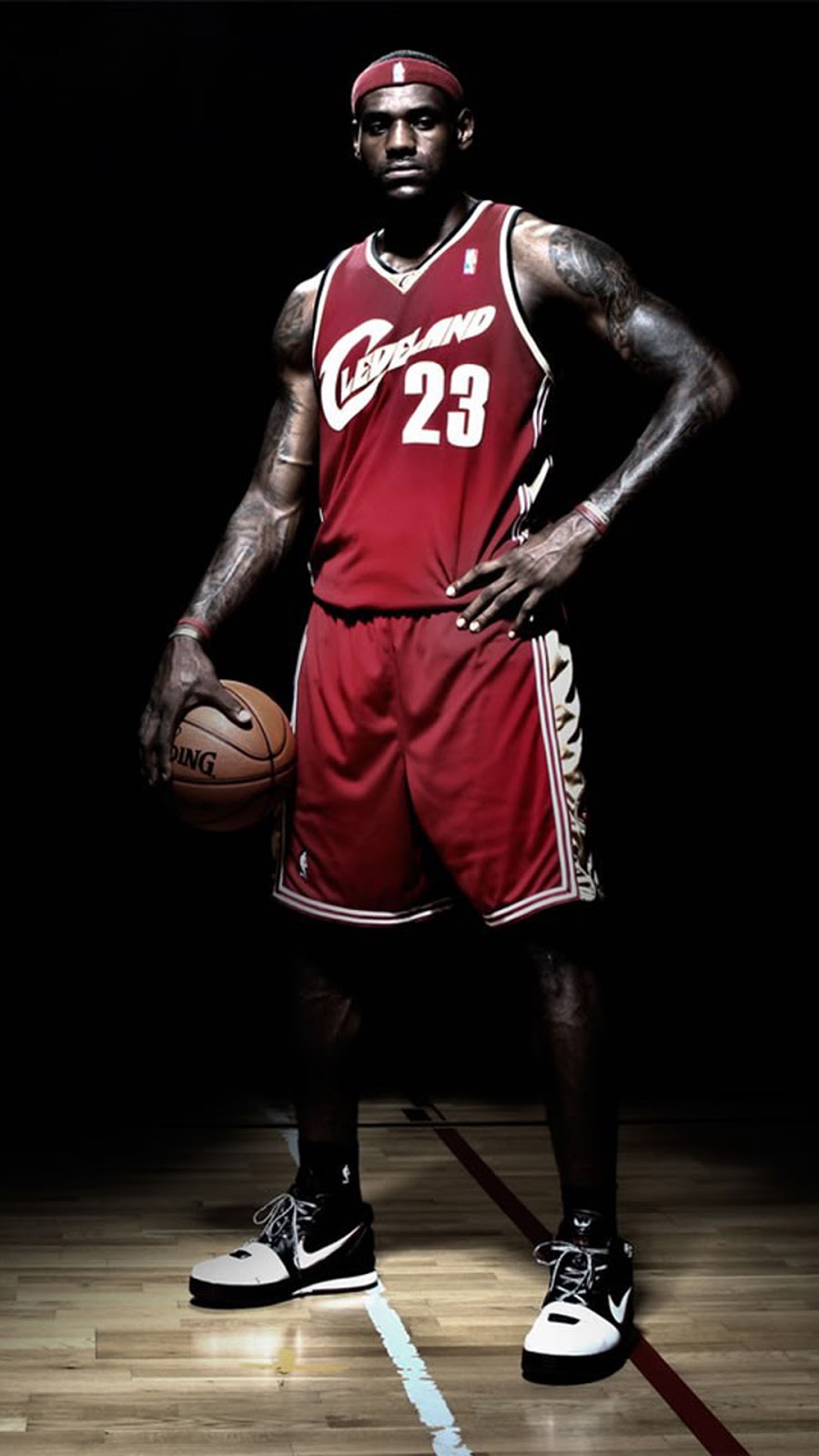
Small Forward: LeBron James
Seasons: 15
Championships: 3
Finals MVPs: 3
MVPs: 4
All-Star Appearances: 14
All-Star MVPs: 3
All-NBA 1st Teams: 12
All-NBA 2nd Teams: 2
All-Defensive 1st Teams: 5
All-Defensive 2nd Teams: 1
All-Rookie Team: 2004
Rookie of the Year: 2004
Scoring Titles: 1
If you are looking to build the Prototype for the Ultimate Basketball Player, LeBron James would make a Great Template to start from. LeBron is lethal as a double threat on both ends of the floor. If you need someone to put on an onslaught from a Scoring standpoint, he can do that. If you need a pivotal playmaker, he can do that as well. If you need someone who can be a threat defensively, you have that as well. This team would have a very interesting dynamic with LeBron at Small Forward considering you have Magic Johnson, the Greatest Point Guard of all-time feeding you the ball along with Michael Jordan, the Most Dominant Scorer of all-time at the Two Guard. LeBron is also a Once in a Generation Player like everyone else in this Starting Lineup so he will make his presence known along with his teammates. When you consider his body of work and his consistency, LeBron James has officially taken Larry Bird's crown as the Greatest Small Forward Ever.

Power Forward: Tim Duncan
Seasons: 19
Championships: 5
Finals MVPs: 3
MVPs: 2
All-Star Appearances:
All-Star MVPs: 1
All-NBA 1st Teams: 10
All-NBA 2nd Teams: 3
All-NBA 3rd Teams: 2
All-Defensive 1st Teams: 8
All-Defensive 2nd Teams: 7
NBA All-Rookie Team (1998)
NBA Rookie of the Year (1998)
The Big Fundamental. The Quintessential Power Forward of his Era and All-Time. Tim Duncan modeled Basketball Technique at its finest. Duncan would bring great chemistry in a lineup with personalities larger than life. Tim would create great spacing in the Front Court as well as a Great Dynamic with the Greatest Center of All-Time. Duncan was not known for being flashy, but he was highly effective and efficient. He was a great weapon on both the Offensive and Defensive ends of the court.
Seasons: 19
Championships: 5
Finals MVPs: 3
MVPs: 2
All-Star Appearances:
All-Star MVPs: 1
All-NBA 1st Teams: 10
All-NBA 2nd Teams: 3
All-NBA 3rd Teams: 2
All-Defensive 1st Teams: 8
All-Defensive 2nd Teams: 7
NBA All-Rookie Team (1998)
NBA Rookie of the Year (1998)
The Big Fundamental. The Quintessential Power Forward of his Era and All-Time. Tim Duncan modeled Basketball Technique at its finest. Duncan would bring great chemistry in a lineup with personalities larger than life. Tim would create great spacing in the Front Court as well as a Great Dynamic with the Greatest Center of All-Time. Duncan was not known for being flashy, but he was highly effective and efficient. He was a great weapon on both the Offensive and Defensive ends of the court.

Center: Kareem Abdul-Jabbar
Seasons: 20
Championships: 6
Finals MVPs: 2
MVPs: 6
All-Star Appearances: 19
All-NBA 1st Teams: 10
All-NBA 2nd Teams:5
All-Defensive 1st Teams: 5
All-Defensive 2nd Teams: 6
All-Rookie Team: 1970
Rookie of the Year: 1970
Scoring Titles: 2
If you wanted to build the Perfect Center in a Lab, this is how he would turn out. When talking about the Greatest Centers of All-Time, Kareem Abdul-Jabbar is a perfect storm. He is the ultimate combination of Offensive Dominance, Solid Defense, Championships, Great Individual Stats, and Achievements. Jabbar had the Greatest Offensive Weapon (Skyhook), he retired as the All-Time Leader in Blocks, he is STILL the All-Time Scoring Leader (38,387) and has the MOST MVP Awards (6). When you have that Deadly Combination in the Paint, that is the Ultimate exclamation point that anyone would want on their team. While there is a wide variety of Great Centers that you could choose from, Kareem has everything that I would want for my All-Time Starting Team.
Seasons: 20
Championships: 6
Finals MVPs: 2
MVPs: 6
All-Star Appearances: 19
All-NBA 1st Teams: 10
All-NBA 2nd Teams:5
All-Defensive 1st Teams: 5
All-Defensive 2nd Teams: 6
All-Rookie Team: 1970
Rookie of the Year: 1970
Scoring Titles: 2
If you wanted to build the Perfect Center in a Lab, this is how he would turn out. When talking about the Greatest Centers of All-Time, Kareem Abdul-Jabbar is a perfect storm. He is the ultimate combination of Offensive Dominance, Solid Defense, Championships, Great Individual Stats, and Achievements. Jabbar had the Greatest Offensive Weapon (Skyhook), he retired as the All-Time Leader in Blocks, he is STILL the All-Time Scoring Leader (38,387) and has the MOST MVP Awards (6). When you have that Deadly Combination in the Paint, that is the Ultimate exclamation point that anyone would want on their team. While there is a wide variety of Great Centers that you could choose from, Kareem has everything that I would want for my All-Time Starting Team.
Thursday, December 15, 2016
NBA Monarchy of Greatness: All-Time Greats (Part I)
Today, I would like to take the time to explore NBA History and analyze each decade to see who was the Greatest Player of each time frame. I will break down the time period that each player was at their most dominant. Players are seen by their fans all across the world as Emperors and Kings when they dominate. It will be like a "Game of Thrones" kind of approach so to speak. So please join me if you will on this journey through time.
I- 1946-54: King George of Minneapolis
Challengers: Bob Cousy, Dolph Schayes
 During the Genesis of the NBA Monarchy, King George of Minneapolis ruled the Basketball Kingdom with sheer force as he laid waste to his competition. Mikan was the first Emperor of Basketball as he lead his Lakers of Minneapolis to 5 NBA Championships. King George may not have looked intimidating, but he struck fear into the hearts of those that would stand in his way.
1954-56: Transitional Period
As King Mikan would relinquish the throne in 1954, the Basketball Kingdom would go through a transitional phase. The likes of Bob Pettit, Bob Cousy, Dolph Schayes and others would have moments where it seemed like they would be the successor. However,
II- 1956-67: Emperor William of Boston
Challengers: Wilt Chamberlain, Bob Pettit, Elgin Baylor, Jerry West, Oscar Robertson
 In the Summer of 1956, Emperor William the Conqueror entered the Basketball world and revolutionized Defense in a way that was never seen before or seen since as his Emerald Kingdom of Boston known as the Celtics would build a Wall of Defense around the NBA Crown for the Entire Decade of the 1960's. The Celtic Kingdom led by Elder Council Arnold the Red, Russell would elevate a race of people that were once seen as unfit to rule the Basketball world. King William would break many barriers during his reign by winning 11 Championships with 8 straight in between. He would also make history as the first Player/Coach. Russell would also win 5 MVP Awards while conquering fellow Giant Wilt The Warrior. William is the only King/General to never fall in a 7-game do or die battle.
III- 1964-72: King Wilt The Warrior
Challengers: Bill Russell, Willis Reed, Jerry West, Lew Alcindor, Oscar Robertson

As Emperor Russell ruled the NBA with an Iron Fist, there was another Giant that had his own throne as he pillaged opponents with Brute Strength and Force. King Wilt the Warrior was unlike anything that Russell and others had ever seen. Wilt broke ground as the first dominant 7-foot Giant with monster like athleticism and power. They knew that he was coming, but could not stop him. From the moment young Wilt arrived on the landscape in 1959-60, he dominated and destroyed his adversaries by winning both the MVP and Rookie of the Year in the same season. King Wilt would continue to leave a trail of bodies in his wake when he averaged 50.4 PPG, along with an unprecedented 100 point game as his Warriors would defeat the Yorkshires of New York on the 2nd of March of 1962. However, King Wilt's only weakness was that he lacked a consistent army that he could assemble to capture the Basketball Crown. For the first 7 Seasons, King Wilt was seen as the best Individual Player, but it wasn't until 1967 where he put the Basketball Kingdom on notice by showing that he can win with the best team around him. That season, King Wilt would win the first of 3 consecutive MVP Awards as his army of 76ers carried the Spirit of '76 to victory by winning his first NBA Championship. On his road to victory, King Wilt finally defeated his arch-nemesis Emperor William Russell as the Sixers eviscerated the Celts and their Emerald Kingdom.
1969-70: Second Transition
By this time, the NBA Kingdom was going through another transitional period. Emperor William Russell relinquished his throne after winning his final war against the Lakers of Los Angeles led by King Wilt and Jerry of the West. In between this time, there would come another Giant that would reign across the Basketball World, Alcindor the Wise (later known as Kareem). Young Lew would dominate in his first season as he would win Rookie of the Year, nearly shades of King Wilt a decade earlier. However, neither of them could claim the throne as King Wilt battled injuries and Alcindor faced inexperience. At this time, the Yorkshires of New York would claim supremacy as Willis the Unbreakable would defeat the Lakers of Los Angeles in seven games. The Celts would also be taken over by Sir John Havlicek.
IV-1970-81: Alcindor/Kareem The Wise King.
Challengers: Willis Reed & Walt Frazier, John Havlicek & Dave Cowens, Julius Erving, Wes Unseld and Elvin Hayes, Bill Walton


In an Era of a new Basketball Renaissance, the Basketball Universe witnessed a new exploration as players would explore more colorful worlds. Meanwhile, in the NBA Kingdom, the stoic discipline of Alcindor the wise would win out. In 1970-71, Alcindor would gain a new ally in legendary soldier Oscar the Great as he would lead the Bucks of the Native Milwaukee to an NBA Championship while winning Finals MVP. That season, he would also win his first Scoring Crown and first of a remarkable 6 MVP Awards. Shortly afterwards, Alcindor would change his name to Kareem after converting to the Muslim Religion. Even with a new name, Kareem was still the same Captain that would overthrow opponents one Sky Hook at a time. During his reign of dominance in Milwaukee, Kareem would win another Scoring Title along with two more MVP Crowns. Soon, things would begin to crumble in the Land of Milwaukee. Oscar the Great would retire, and Kareem the Wise would soon need to migrate for cultural reasons. As things in Milwaukee would decline, Kareem the Wise would move to the Western Town of Los Angeles where he would continue his dominance despite a struggling army around him.
V- 1971-77: Julius The Doctor
Challengers: George Gervin, George McGinnis, Artis Gilmore, Dan Issel, Moses Malone, Mel Daniels, Connie Hawkins, David Thompson

As Kareem the Wise dominated with Discipline, there was a completely different world in the Basketball Universe that was discovered. This world was filled by many colors, mainly Red, White and Blue. This animated world was ruled by Julius the Doctor, King of the far away colorful land of the ABA. Julius ruled this world with his royal Scepter and his Red, White and Blue robe. This was a land of creativity, freedom and expression as Julius became an innovator within the Basketball Universe. Even as Kareem struggled Julius The Doctor prospered in the Land of the ABA, as he lead the Nets of Yorkshire to two ABA Crowns. King Julius would then take his talents to the Holy Land of Basketball known as Philadelphia as he would join the Sixers of 76. However, Julius the Doctor would show signs of vulnerability as his army would fall to the likes of the Blazers of Portland.
1981-84: Third Transition/Dawn of the Golden Age
After a long and prosperous reign, Kareem the Wise while not yet ready to relinquish power under too great of an attack to hold the keys to the Kingdom of his own. Meanwhile, two young princes would come across the horizon to take the Basketball Universe by storm with their arrival in 1979. One prince was Earvin the Magician and the other was Larry the Legendary. Young Prince Earvin would travel from the land of Spartans to join Great King Kareem with the Lakers in the City of Angels to rejuvenate a once proud Kingdom. Larry the Legendary traveled from the farmlands to join the Celts of the Emerald Kingdom of Boston to continue his rivalry with Earvin, the one they called "Magic". There was also a Man-child of promise named Moses deep in the heart of Texas that would dominate the Basketball Landscape before joining the Basketball Holy Land of Philadelphia (known as the City of Brotherly Love). Moses would help Julius The Doctor lead the Sixers of Philadelphia to the Promise Land of Hoopdom.
VI- 1981-87: Larry the Legendary
Challengers: Magic Johnson, Kareem Abdul-Jabbar, Julius Erving, Moses Malone


Upon his arrival in 1979-80, Larry the Legendary would make his presence known in the Emerald Kingdom as he took the doormant Celts from an abysmal 29 wins to 61 wins, earning Rookie of the Year Honors. The young Warrior would give an encore the next season as he would lead the Celts of Boston to another NBA Championship in 1981 as they would defeat the Rockets of Houston led by Moses the Man-Child. In 1984, Larry the Legendary would cement himself as the Supreme Ruler of the Basketball Kingdom by winning his first of three straight MVP Awards. He would close that campaign by conquering arch nemesis Earvin the Magician and the Lakers of Los Angeles. The Celts of Boston would rule the East with a variety of long and short range attacks as Larry's star continued to grow brighter. No matter the challenger, the Mighty Ruler of the Emerald Kingdom would lead his troops to victory. His greatest soldiers were Sir Kevin and Robert The Chief.
VII- 1982-91: Earvin The Magician
Challengers: Larry Bird, Julius Erving, Moses Malone, Isiah Thomas, Michael Jordan, Hakeem Olajuwon


As Larry the Legendary ruled the East, Prince Earvin the Magician ruled the Western World with the Lakers of Los Angeles with Kareem the Wise King. Young Earvin used a variety of attacks and tricks that would captivate the fans and terrify the opponents. As Kareem fell to injury in the 1980 Finals, Prince Earvin would lead the troops to victory over Julius the Doctor and the 76ers. In the 1982 rematch, the Lakers of Los Angeles would cement their place on the Western Throne as Earvin the Magician would conquer the 76ers of Philadelphia once again in the Finals. The Sixers would gain their revenge with the addition of Moses the Man Child in 1983. Prince Earvin was truly a Wizard with the Basketball, with his genius and creativity on the Hardwood. His battles with Larry the Legendary were Epic as they dethroned the Emerald Kingdom of the Celts twice, in 1985 and finally in 1987. After vanquishing Larry the Legend once and for all, Earvin the Magician was the Undisputed King of Hoopdom. Hiding behind the charismatic smile was a competitive fire that would destroy you if you gave him the chance. When the sun set on the Golden Decade of the 80's, the Lakers were the Great Western Dynasty and the Celts were the Emerald Kingdom once again. During this reign, other young future princes would arrive onto the Basketball Kingdom in 1984. One of them was a Prince from Nigeria with a Dream, and another would shake up the World of Hoopdom with his gift of Flight.
1989-91: Fourth Transition/Barbaric Attack


With the Sun setting on the reign of the great Princes of the East and West, an Army of Barbaric Invaders would arrive from deep in the Mid Western Land called the Motor City. This army was more cruel and ruthless than anyone that has come before or since. A vicious, blood thirsty group with savage names like Zeke, Lamb, Spider, Worm, Microwave and Joe (not all names were evil). These Motor City Barbarians would destroy the Emerald Kingdom of Boston while destroying the Lakers Great Western Dynasty en route to planting their Red, White and Blue flag on top of the Basketball Mountain. The Motor City Barbarians would rule the throne at they would hold up the inevitable on coming Air Assault from a futuristic Jedi like Warrior that no one could have ever seen come. Make sure to look out for Part II of our journey through history.
I- 1946-54: King George of Minneapolis
Challengers: Bob Cousy, Dolph Schayes

1954-56: Transitional Period
As King Mikan would relinquish the throne in 1954, the Basketball Kingdom would go through a transitional phase. The likes of Bob Pettit, Bob Cousy, Dolph Schayes and others would have moments where it seemed like they would be the successor. However,
II- 1956-67: Emperor William of Boston
Challengers: Wilt Chamberlain, Bob Pettit, Elgin Baylor, Jerry West, Oscar Robertson

III- 1964-72: King Wilt The Warrior
Challengers: Bill Russell, Willis Reed, Jerry West, Lew Alcindor, Oscar Robertson

1969-70: Second Transition
By this time, the NBA Kingdom was going through another transitional period. Emperor William Russell relinquished his throne after winning his final war against the Lakers of Los Angeles led by King Wilt and Jerry of the West. In between this time, there would come another Giant that would reign across the Basketball World, Alcindor the Wise (later known as Kareem). Young Lew would dominate in his first season as he would win Rookie of the Year, nearly shades of King Wilt a decade earlier. However, neither of them could claim the throne as King Wilt battled injuries and Alcindor faced inexperience. At this time, the Yorkshires of New York would claim supremacy as Willis the Unbreakable would defeat the Lakers of Los Angeles in seven games. The Celts would also be taken over by Sir John Havlicek.
IV-1970-81: Alcindor/Kareem The Wise King.
Challengers: Willis Reed & Walt Frazier, John Havlicek & Dave Cowens, Julius Erving, Wes Unseld and Elvin Hayes, Bill Walton


In an Era of a new Basketball Renaissance, the Basketball Universe witnessed a new exploration as players would explore more colorful worlds. Meanwhile, in the NBA Kingdom, the stoic discipline of Alcindor the wise would win out. In 1970-71, Alcindor would gain a new ally in legendary soldier Oscar the Great as he would lead the Bucks of the Native Milwaukee to an NBA Championship while winning Finals MVP. That season, he would also win his first Scoring Crown and first of a remarkable 6 MVP Awards. Shortly afterwards, Alcindor would change his name to Kareem after converting to the Muslim Religion. Even with a new name, Kareem was still the same Captain that would overthrow opponents one Sky Hook at a time. During his reign of dominance in Milwaukee, Kareem would win another Scoring Title along with two more MVP Crowns. Soon, things would begin to crumble in the Land of Milwaukee. Oscar the Great would retire, and Kareem the Wise would soon need to migrate for cultural reasons. As things in Milwaukee would decline, Kareem the Wise would move to the Western Town of Los Angeles where he would continue his dominance despite a struggling army around him.
V- 1971-77: Julius The Doctor
Challengers: George Gervin, George McGinnis, Artis Gilmore, Dan Issel, Moses Malone, Mel Daniels, Connie Hawkins, David Thompson

As Kareem the Wise dominated with Discipline, there was a completely different world in the Basketball Universe that was discovered. This world was filled by many colors, mainly Red, White and Blue. This animated world was ruled by Julius the Doctor, King of the far away colorful land of the ABA. Julius ruled this world with his royal Scepter and his Red, White and Blue robe. This was a land of creativity, freedom and expression as Julius became an innovator within the Basketball Universe. Even as Kareem struggled Julius The Doctor prospered in the Land of the ABA, as he lead the Nets of Yorkshire to two ABA Crowns. King Julius would then take his talents to the Holy Land of Basketball known as Philadelphia as he would join the Sixers of 76. However, Julius the Doctor would show signs of vulnerability as his army would fall to the likes of the Blazers of Portland.
1981-84: Third Transition/Dawn of the Golden Age
After a long and prosperous reign, Kareem the Wise while not yet ready to relinquish power under too great of an attack to hold the keys to the Kingdom of his own. Meanwhile, two young princes would come across the horizon to take the Basketball Universe by storm with their arrival in 1979. One prince was Earvin the Magician and the other was Larry the Legendary. Young Prince Earvin would travel from the land of Spartans to join Great King Kareem with the Lakers in the City of Angels to rejuvenate a once proud Kingdom. Larry the Legendary traveled from the farmlands to join the Celts of the Emerald Kingdom of Boston to continue his rivalry with Earvin, the one they called "Magic". There was also a Man-child of promise named Moses deep in the heart of Texas that would dominate the Basketball Landscape before joining the Basketball Holy Land of Philadelphia (known as the City of Brotherly Love). Moses would help Julius The Doctor lead the Sixers of Philadelphia to the Promise Land of Hoopdom.
VI- 1981-87: Larry the Legendary
Challengers: Magic Johnson, Kareem Abdul-Jabbar, Julius Erving, Moses Malone


VII- 1982-91: Earvin The Magician
Challengers: Larry Bird, Julius Erving, Moses Malone, Isiah Thomas, Michael Jordan, Hakeem Olajuwon
As Larry the Legendary ruled the East, Prince Earvin the Magician ruled the Western World with the Lakers of Los Angeles with Kareem the Wise King. Young Earvin used a variety of attacks and tricks that would captivate the fans and terrify the opponents. As Kareem fell to injury in the 1980 Finals, Prince Earvin would lead the troops to victory over Julius the Doctor and the 76ers. In the 1982 rematch, the Lakers of Los Angeles would cement their place on the Western Throne as Earvin the Magician would conquer the 76ers of Philadelphia once again in the Finals. The Sixers would gain their revenge with the addition of Moses the Man Child in 1983. Prince Earvin was truly a Wizard with the Basketball, with his genius and creativity on the Hardwood. His battles with Larry the Legendary were Epic as they dethroned the Emerald Kingdom of the Celts twice, in 1985 and finally in 1987. After vanquishing Larry the Legend once and for all, Earvin the Magician was the Undisputed King of Hoopdom. Hiding behind the charismatic smile was a competitive fire that would destroy you if you gave him the chance. When the sun set on the Golden Decade of the 80's, the Lakers were the Great Western Dynasty and the Celts were the Emerald Kingdom once again. During this reign, other young future princes would arrive onto the Basketball Kingdom in 1984. One of them was a Prince from Nigeria with a Dream, and another would shake up the World of Hoopdom with his gift of Flight.
1989-91: Fourth Transition/Barbaric Attack


With the Sun setting on the reign of the great Princes of the East and West, an Army of Barbaric Invaders would arrive from deep in the Mid Western Land called the Motor City. This army was more cruel and ruthless than anyone that has come before or since. A vicious, blood thirsty group with savage names like Zeke, Lamb, Spider, Worm, Microwave and Joe (not all names were evil). These Motor City Barbarians would destroy the Emerald Kingdom of Boston while destroying the Lakers Great Western Dynasty en route to planting their Red, White and Blue flag on top of the Basketball Mountain. The Motor City Barbarians would rule the throne at they would hold up the inevitable on coming Air Assault from a futuristic Jedi like Warrior that no one could have ever seen come. Make sure to look out for Part II of our journey through history.
Wednesday, June 22, 2016
Greatest Finals MVP Performances in NBA History
This list is Specifically for Players that have won Finals MVP:

1. Michael Jordan (1993)
Opponent: Phoenix Suns
Result: Bulls over Suns, 4-2
Finals Stats:
PPG: 41.0
RPG: 8.5
APG: 6.3
SPG: 1.7
BPG: 0.7
FG%: 51%
FT%: 69.4%
3PT%: 40%

2. Shaquille O'Neal (2000)
Opponent: Indiana Pacers
Result: Lakers over Pacers, 4-2
Finals Stats:
PPG: 38.0
RPG: 16.7
APG: 2.3
BPG: 2.7
SPG: 1.0
FG%: 61.1%
FT%: 38.7%

3. Shaquille O'Neal (2002)
Opponent: New Jersey Nets
Result: Lakers over Nets, 4-0
Finals Stats:
PPG: 36.3
RPG: 12.3
APG: 3.8
SPG: 0.5
BPG: 2.8
FG%: 59.5%%
FT%: 66.2%

4. Magic Johnson (1987)
Opponent: Boston Celtics
Result: Lakers over Celtics, 4-2
Finals Stats:
PPG: 26.2
RPG: 8.0
APG: 13.0
SPG: 2.3
BPG: 0.3
FG%: 54.1%
FT%: 96%
3PT%: 50%

5. Shaquille O'Neal (2001)
Opponent: Philadelphia 76ers
Result: Lakers over Sixers, 4-1
Finals Stats:
PPG: 33.0
RPG: 15.8
APG: 4.8
SPG: 0.4
BPG: 3.4
FG%: 57%
FT%: 51%

6. Michael Jordan (1991)
Opponent: Los Angeles Lakers
Result: Bulls over Lakers 4-1
Finals Stats:
PPG: 31.2
RPG: 6.6
APG: 11.4
SPG: 2.8
BPG: 1.4
FG%: 55%
FT%: 85%
3PT%: 50%

7. LeBron James (2016)
Opponent: Golden State Warriors
Result: Cavaliers over Warriors, 4-3
Finals Stats:
PPG: 29.7
RPG: 11.3
APG: 8.9
BPG: 2.3
SPG: 2.6
FG%: 49.4%
FT%: 72.1%
3PT% 37.1%

8. Jerry West (1969)
Opponent: Boston Celtics
Result: Celtics over Lakers, 4-3
Finals Stats:
PPG: 37.9
RPG: 4.7
APG: 7.4
FG%: 49%
FT%: 84%
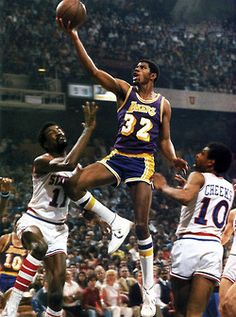
9. Magic Johnson (1980)
Opponent: Philadelphia 76ers
Result: Lakers over Sixers, 4-2
Finals Stats:
PPG: 21.5
RPG: 11.2
APG: 8.7
BPG: 0.3
SPG: 2.7
FG%: 57.3%
FT%: 87.5%

10. Michael Jordan (1992)
Opponent: Portland Trailblazers
Result: Bulls over Blazers, 4-2
Finals Stats:
PPG: 35.8
RPG: 4.8
APG: 6.5
SPG: 1.7
BPG: 0.3
FG%: 52.6%
FT%: 89.1%
3PT%: 43%

11. Dwyane Wade (2006)
Opponent: Dallas Mavericks
Result: Heat over Mavericks, 4-2
Finals Stats:
PPG: 34.7
RPG: 7.8
APG: 3.8
SPG: 2.7
BPG: 1.0
FG%: 46.8%
FT%: 77.3%
3PT%: 27.3%

12. Kareem Abdul-Jabbar (1971)
Opponent: Baltimore Bullets
Result: Bucks over Bullets, 4-0
Finals Stats:
PPG: 27.0
RPG: 18.5
APG: 2.8
FG%: 60.5%
FT%: 76.2%

13. Larry Bird (1984)
Opponent: Los Angeles Lakers
Result: Celtics over Lakers, 4-3
Finals Stats:
PPG: 27.4
RPG: 14.0
APG: 3.6
SPG: 2.1
BPG: 1.1
FG%: 48.4%
FT%: 84.2%
3PT%: 66.7%
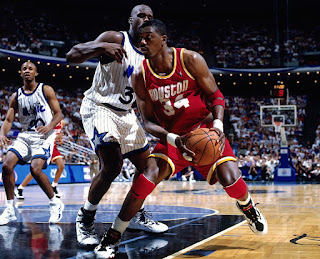
14. Hakeem Olajuwon (1995)
Opponent: Orlando Magic
Result: Rockets over Magic, 4-0
Finals Stats:
PPG: 32.8
RPG: 11.5
APG: 5.5
BPG: 2.0
SPG: 2.0
FG%: 48.3%
FT%: 69.2%
3PT%: 1.000%

15. Moses Malone (1983)
Opponent: Los Angeles Lakers
Result: Sixers over Lakers, 4-0
Finals Stats:
PPG: 25.8
RPG: 18.0
APG: 2.0
BPG: 1.5
SPG: 1.5
FG%: 50.7%
FT%: 66.0%
Honorable Mention: Tim Duncan (2003), Kobe Bryant (2009), LeBron James (2012), Larry Bird (1986), Kareem Abdul-Jabbar (1985)

1. Michael Jordan (1993)
Opponent: Phoenix Suns
Result: Bulls over Suns, 4-2
Finals Stats:
PPG: 41.0
RPG: 8.5
APG: 6.3
SPG: 1.7
BPG: 0.7
FG%: 51%
FT%: 69.4%
3PT%: 40%

2. Shaquille O'Neal (2000)
Opponent: Indiana Pacers
Result: Lakers over Pacers, 4-2
Finals Stats:
PPG: 38.0
RPG: 16.7
APG: 2.3
BPG: 2.7
SPG: 1.0
FG%: 61.1%
FT%: 38.7%

3. Shaquille O'Neal (2002)
Opponent: New Jersey Nets
Result: Lakers over Nets, 4-0
Finals Stats:
PPG: 36.3
RPG: 12.3
APG: 3.8
SPG: 0.5
BPG: 2.8
FG%: 59.5%%
FT%: 66.2%

4. Magic Johnson (1987)
Opponent: Boston Celtics
Result: Lakers over Celtics, 4-2
Finals Stats:
PPG: 26.2
RPG: 8.0
APG: 13.0
SPG: 2.3
BPG: 0.3
FG%: 54.1%
FT%: 96%
3PT%: 50%

5. Shaquille O'Neal (2001)
Opponent: Philadelphia 76ers
Result: Lakers over Sixers, 4-1
Finals Stats:
PPG: 33.0
RPG: 15.8
APG: 4.8
SPG: 0.4
BPG: 3.4
FG%: 57%
FT%: 51%

6. Michael Jordan (1991)
Opponent: Los Angeles Lakers
Result: Bulls over Lakers 4-1
Finals Stats:
PPG: 31.2
RPG: 6.6
APG: 11.4
SPG: 2.8
BPG: 1.4
FG%: 55%
FT%: 85%
3PT%: 50%

7. LeBron James (2016)
Opponent: Golden State Warriors
Result: Cavaliers over Warriors, 4-3
Finals Stats:
PPG: 29.7
RPG: 11.3
APG: 8.9
BPG: 2.3
SPG: 2.6
FG%: 49.4%
FT%: 72.1%
3PT% 37.1%

8. Jerry West (1969)
Opponent: Boston Celtics
Result: Celtics over Lakers, 4-3
Finals Stats:
PPG: 37.9
RPG: 4.7
APG: 7.4
FG%: 49%
FT%: 84%
9. Magic Johnson (1980)
Opponent: Philadelphia 76ers
Result: Lakers over Sixers, 4-2
Finals Stats:
PPG: 21.5
RPG: 11.2
APG: 8.7
BPG: 0.3
SPG: 2.7
FG%: 57.3%
FT%: 87.5%

10. Michael Jordan (1992)
Opponent: Portland Trailblazers
Result: Bulls over Blazers, 4-2
Finals Stats:
PPG: 35.8
RPG: 4.8
APG: 6.5
SPG: 1.7
BPG: 0.3
FG%: 52.6%
FT%: 89.1%
3PT%: 43%

11. Dwyane Wade (2006)
Opponent: Dallas Mavericks
Result: Heat over Mavericks, 4-2
Finals Stats:
PPG: 34.7
RPG: 7.8
APG: 3.8
SPG: 2.7
BPG: 1.0
FG%: 46.8%
FT%: 77.3%
3PT%: 27.3%

12. Kareem Abdul-Jabbar (1971)
Opponent: Baltimore Bullets
Result: Bucks over Bullets, 4-0
Finals Stats:
PPG: 27.0
RPG: 18.5
APG: 2.8
FG%: 60.5%
FT%: 76.2%

13. Larry Bird (1984)
Opponent: Los Angeles Lakers
Result: Celtics over Lakers, 4-3
Finals Stats:
PPG: 27.4
RPG: 14.0
APG: 3.6
SPG: 2.1
BPG: 1.1
FG%: 48.4%
FT%: 84.2%
3PT%: 66.7%

14. Hakeem Olajuwon (1995)
Opponent: Orlando Magic
Result: Rockets over Magic, 4-0
Finals Stats:
PPG: 32.8
RPG: 11.5
APG: 5.5
BPG: 2.0
SPG: 2.0
FG%: 48.3%
FT%: 69.2%
3PT%: 1.000%

15. Moses Malone (1983)
Opponent: Los Angeles Lakers
Result: Sixers over Lakers, 4-0
Finals Stats:
PPG: 25.8
RPG: 18.0
APG: 2.0
BPG: 1.5
SPG: 1.5
FG%: 50.7%
FT%: 66.0%
Honorable Mention: Tim Duncan (2003), Kobe Bryant (2009), LeBron James (2012), Larry Bird (1986), Kareem Abdul-Jabbar (1985)
Friday, February 12, 2016
All-Time East vs. West Team
In honor of All-Star Weekend, I came together with a group of fellow Sports experts and analysts to create an All-Time Starting Lineup for both the East and West All-Star Teams. These players have been selected based on their performances in the All-Star Game. This is strictly all-star based, not collective career-based.
East:

PG: Isiah Thomas
6'1", 180
All-Star Appearances: 12 (1982-'93)
All-Star MVPs: 2 ('84, '86)

SG: Michael Jordan
6'6" 205
All-Star Appearances: 14 (1985-93, '96-'98, 2002-'03)
All-Star MVPs: 3 ('88, '96, '98)

SF: Larry Bird
6'9" 220
All-Star Appearances: 12 (1980-88, '90-'92)
All-Star MVPs: 1 (1982)

PF: Charles Barkley
6'5" 255
All-Star Appearances: 11 (1987-'97)
All-Star MVPs: 1 (1991)

C: Wilt Chamberlain
7'1" 270
All-Star Game Appearances: 13 (1960-69, '71-73)
All-Star Game MVPs: 1 (1960)
West:

PG: Magic Johnson
6'9" 220
All-Star Game Appearances: 12 (1980, '82-'92)
All-Star Game MVPs: 2 ('90, '92)

SG: Kobe Bryant
6'6" 205
All-Star Game Appearances: 18 ('98, 2000-2016)
All-Star Game MVPs: 4 ('02, '07, '09, 2011)

SF: Kevin Durant
6'10" 240
All-Star Game Appearances: 7 (2010-2016)
All-Star Game MVPs: 1 (2012)

PF: Karl Malone
6'9" 260
All-Star Game Appearances: 14 (1988-'98, 2000-'02)
All-Star Game MVPs: 2 ('89, '93)

C: Kareem Abdul-Jabbar
7'2" 225
All-Star Game Appearances: 19 (1970-'77, '79-'89)
All-Star Game MVPs: 0
Bench:
East:
Allen Iverson
Dwyane Wade
LeBron James
Julius Erving
Moses Malone
Bill Russell
West:
Oscar Robertson
Jerry West
Clyde Drexler
Kevin Garnett
Tim Duncan
Shaq
East:

PG: Isiah Thomas
6'1", 180
All-Star Appearances: 12 (1982-'93)
All-Star MVPs: 2 ('84, '86)

SG: Michael Jordan
6'6" 205
All-Star Appearances: 14 (1985-93, '96-'98, 2002-'03)
All-Star MVPs: 3 ('88, '96, '98)

SF: Larry Bird
6'9" 220
All-Star Appearances: 12 (1980-88, '90-'92)
All-Star MVPs: 1 (1982)
PF: Charles Barkley
6'5" 255
All-Star Appearances: 11 (1987-'97)
All-Star MVPs: 1 (1991)

C: Wilt Chamberlain
7'1" 270
All-Star Game Appearances: 13 (1960-69, '71-73)
All-Star Game MVPs: 1 (1960)
West:

PG: Magic Johnson
6'9" 220
All-Star Game Appearances: 12 (1980, '82-'92)
All-Star Game MVPs: 2 ('90, '92)

SG: Kobe Bryant
6'6" 205
All-Star Game Appearances: 18 ('98, 2000-2016)
All-Star Game MVPs: 4 ('02, '07, '09, 2011)

SF: Kevin Durant
6'10" 240
All-Star Game Appearances: 7 (2010-2016)
All-Star Game MVPs: 1 (2012)

PF: Karl Malone
6'9" 260
All-Star Game Appearances: 14 (1988-'98, 2000-'02)
All-Star Game MVPs: 2 ('89, '93)

C: Kareem Abdul-Jabbar
7'2" 225
All-Star Game Appearances: 19 (1970-'77, '79-'89)
All-Star Game MVPs: 0
Bench:
East:
Allen Iverson
Dwyane Wade
LeBron James
Julius Erving
Moses Malone
Bill Russell
West:
Oscar Robertson
Jerry West
Clyde Drexler
Kevin Garnett
Tim Duncan
Shaq
Thursday, February 11, 2016
Greatest NBA All-Star Game Performances

1. Magic Johnson (1992)- West 153, East 113
Team: Los Angeles Lakers (West)
Location: Orlando, FL
All-Star Game MVP: Yes
Stat Line: 25 points, 9 assists, 5 rebounds
When it comes to impact, it is hard to find any other performance that touched the NBA world the way that Magic Johnson's performance did in 1992. Just months after retiring at the top of his career because of HIV, Johnson made his return to an emotional crowd for the All-Star Game in Orlando. Despite protests from some of the other players, Johnson suited up for his last All-Star Game. Magic was the headliner for that night as it was the most memorable moment that captured the hearts of the fans. He finished the game with 25 points, 9 assists and 5 rebounds. Magic has had many great All-Star games, but this is his the game that is his crowning moment. It is significant because nobody thought that he would even live, let alone participate. The final showdown that Magic had with Michael Jordan and Isiah Thomas made this even more special as the West dominated the East 153, 113.

2. Michael Jordan (1988) East 138, West 133
Team: Chicago Bulls (East)
Location: Chicago, IL
All-Star Game MVP: Yes
Stat Line: 40 points, 8 rebounds, 4 steals, 4 blocks
Michael Jordan was the Ambassador for All-Star Weekend in Chicago. The night before, he defeated Dominique Wilkins in a heavyweight classic battle known as the "Slam Dunk Contest". To finish things off, Jordan delivered the best statistical game at the time for anyone not named Wilt Chamberlain. Michael out shined a "Who's Who?" of Top 10 Greats from Magic, Bird, Kareem and Hakeem along with other legends like Karl Malone, Moses Malone, Isiah Thomas, etc. MJ finished the game with 40 points (17-23 shooting), 8 rebounds, 4 steals and 4 blocks as the East defeated the West in a close game 138, 133. Michael took home ASG MVP Honors in front of the hometown crowd at Chicago Stadium. The West put up a great battle, but had no answer for Jordan. Michael announced his arrival as the best pure player in the game on this night, and for the season as he would later win NBA MVP.

3. Wilt Chamberlain (1962) West 150, East 130
Team: Philadelphia Warriors (East)
Location: St. Louis, MO
All-Star Game MVP: No
Stat Line: 42 points, 24 rebounds
Despite his team losing this game, Wilt Chamberlain's numbers in the 1962 NBA All-Star Game are out of this world. In typical Wilt fashion, he destroyed the stat sheet with 42 points and 24 rebounds. Wilt is the highest ranked player on this list to not win All-Star Game MVP in his best performance. Bob Pettit won the Game's MVP Award, but Wilt was clearly the star that night. Wilt won ASG MVP in his rookie season of 1960, but this game gets the nod because Chamberlain set the record for most points in All-Star Game History (42).

4. Kobe Bryant (2011) West 148, East 143
Team: Los Angeles Lakers (West)
Location: Los Angeles, CA
All-Star Game MVP: Yes
Stat Line: 37 points, 14 rebounds, 3 assists, 3 steals
Kobe Bryant was in his best form during the 2011 NBA All-Star Game. Bryant clearly felt the momentum from the hometown crowd at the Staples Center because he put on the best All-Star show of his career with 37 points, 14 boards, 3 assists and 3 steals as the West defeated the East 148-143. Kobe earned his fourth All-Star MVP Award, tying Bob Pettit for the most in NBA History.

5. Isiah Thomas (1986) East 139, West 132
Team: Detroit Pistons (East)
Location: Dallas, TX
All-Star Game MVP: Yes
Stat Line: 30 points, 10 assists
Isiah Thomas was always entertaining in the All-Star Game as he battled rival PG Magic Johnson. However, Zeke's best game was in 1986 when he dominated the ball by leading the East in a fourth quarter rally to win 139-132. Isiah dropped 30 points with 10 dimes as he took home his second All-Star MVP Award.

6. Allen Iverson (2001) East 111, West 110
Team: Philadelphia 76ers (East)
Location: Washington, DC
All-Star Game MVP: Yes
Stat Line: 25 points, 5 assists, 4 steals, 2 rebounds
Scoring Champ and MVP Allen Iverson was a perennial show stopper in the All-Star Game. However, his 2001 Performance is clearly his most standout game. Iverson was the shining star in front of the Washington, DC crowd as he carried an Eastern Conference team with Jerry Stackhouse, Antonio Davis, Anthony Mason and Dikembe Mutombo to victory over a Western Conference team stacked with starpower in the frontcourt. The West team featured beasts like Shaquille O'Neal, Tim Duncan, David Robinson, Chris Webber and Rasheed Wallace along with Kobe Bryant in the backcourt. That is a heavy accomplishment, as Iverson took home his first All-Star MVP Award with 25 points, 5 assists, 4 steals and 2 rebounds. This is how he would typically carry the Sixers during his career. This was the best game of Allen Iverson's All-Star Legacy.

7. Kevin Garnett (2003) West 155, East 145 (Double OT)
Team: Minnesota Timberwolves (West)
Location: Atlanta, GA
All-Star Game MVP: Yes
Stat Line: 37 points, 9 rebounds
Kevin Garnett's 2003 All-Star Game was his most significant. This was Michael Jordan's final All-Star Game, but Garnett stole the show as he led the West to victory 155-145 in double overtime with 37 points and 9 rebounds. This was another stellar All-Star Game among many during the 2000's Decade.

8. LeBron James (2011) West 148, East 143
Team: Miami Heat (East)
Location: Los Angeles, CA
All-Star Game MVP: No
Stat Line: 29 points, 12 rebounds, 10 assists
LeBron James and Kobe Bryant had a great battle in the 2011 All-Star Game. LBJ embraced his role as a villain during his first year in Miami as he looked to crush the hopes of the fans at the Staples Center by leading the troops in the East to near victory before Kobe saved the day. James finished the game with a Triple Double (29/12/10). If his comeback were successful, LeBron would have won the Game's MVP.

9. Dwyane Wade (2010) East 141, West 139
Team: Miami Heat (East)
Location: Dallas, TX
All-Star Game MVP: Yes
Stat Line: 28 points, 11 assists, 6 rebounds
Dwyane Wade led all scorers with 28 points to go with his 11 assists and 6 rebounds in front of an all-time attendance record of 108,713 fans at AT&T Stadium in Dallas, Texas. Wade's performance earned him All-Star MVP Honors. The most special aspect of this game is that Wade shot 75% from the field. Unbelievable.

10. Kobe Bryant (2002) West 135, East 120
Team: Los Angeles Lakers (West)
Location: Philadelphia, PA
All-Star Game MVP: Yes
Stat Line: 31 points, 5 assists, 5 rebounds
Kobe Bryant truly left his stamp on All-Star Game History when he won his first of a record four All-Star MVP Awards in the 2002 NBA ASG in his home of Philadelphia, PA. Bryant was heavily booed that night because the Lakers defeated Allen Iverson's 76ers in the Finals the previous year. The fans clearly had a rotten taste in their mouths. Plus, that is how fans in Philly are in general. Nonetheless, Kobe was incredible with a spectacular 31/5/5 game to lead the West to victory 135-120. In the words of John Cena, Kobe truly rose above the hate from the fans that night as he overshadowed the rest of the competition. Another significant thing that I remember from this game was the fact that Allen Iverson was the Ambassador for All-Star Weekend as he wore number 6 in honor of Dr. J. Side Note: This ASG probably had the best collection of shoes by that time.
Subscribe to:
Posts (Atom)