Showing posts with label tim duncan. Show all posts

Friday, September 21, 2018

All-Time NBA Team

With the NBA Finals behind us, I would like to present my All-Time Starting Lineup. Recently, CBS Sports also released their list of the 50 Greatest Players of all-time. In order for this team to be where they need to be, these players need to be the best versions of themselves. I will have mine coming soon, but for now, here are my Starting Five:


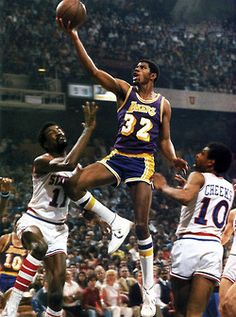
Point Guard: Earvin "Magic" Johnson
Seasons: 13
Championships: 5
Finals MVPs: 3
MVPs: 3
All-Star MVPs: 2
All-Star Appearances: 12
All-NBA 1st Team: 9
All-NBA 2nd Team: 1
Assists Leader: 4 times

The Quintessential Point Guard. Magic Johnson is the standard that all Point Guards are measured by. At 6'9", Magic was a walking mismatch with his size, athleticism, and ball-handling skills to drive to the hoop or dish out a no-look pass. Magic opened up the world of scoring opportunities for his teammates. His IQ was at Genius Level. If you need someone to control the pace and tempo of the game, Magic is the Point Guard and Leader that you need.


Shooting Guard: Michael Jordan
Seasons: 15
Championships: 6
Finals MVPs: 6
MVPs: 5
All-Star Appearances: 14
All-Star MVPs: 3
Defensive Player of the Year: 1
All-NBA 1st Team: 10
All-NBA 2nd Team: 1
All-Defensive 1st Team: 9
All-Rookie Team: 1985
Rookie of the Year: 1985
NBA Scoring Titles: 10


Who else would you choose as your Starting Two Guard? The Greatest Basketball Player that the world has ever seen. Michael Jordan's main assignments would be his greatest strengths: Scoring and Defending. That is the scariest thing to think about considering who he is surrounded by. This team needs players that can change the pace of the game, and Michael can do that in the blink of an eye. 
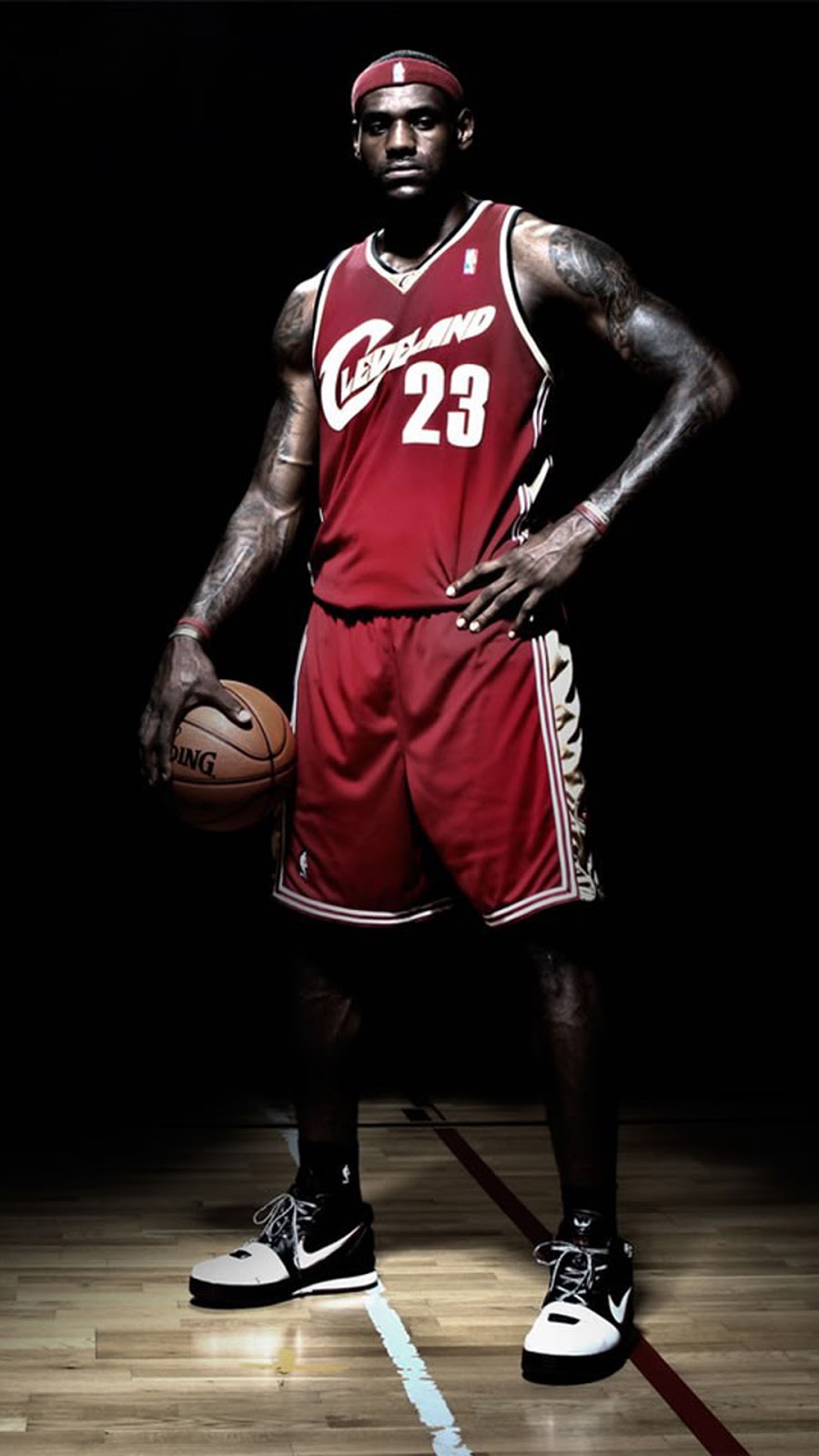


Small Forward: LeBron James
Seasons: 15
Championships: 3
Finals MVPs: 3
MVPs: 4
All-Star Appearances: 14
All-Star MVPs: 3
All-NBA 1st Teams: 12
All-NBA 2nd Teams: 2
All-Defensive 1st Teams: 5
All-Defensive 2nd Teams: 1
All-Rookie Team: 2004
Rookie of the Year: 2004
Scoring Titles: 1

If you are looking to build the Prototype for the Ultimate Basketball Player, LeBron James would make a Great Template to start from. LeBron is lethal as a double threat on both ends of the floor. If you need someone to put on an onslaught from a Scoring standpoint, he can do that. If you need a pivotal playmaker, he can do that as well. If you need someone who can be a threat defensively, you have that as well. This team would have a very interesting dynamic with LeBron at Small Forward considering you have Magic Johnson, the Greatest Point Guard of all-time feeding you the ball along with Michael Jordan, the Most Dominant Scorer of all-time at the Two Guard. LeBron is also a Once in a Generation Player like everyone else in this Starting Lineup so he will make his presence known along with his teammates. When you consider his body of work and his consistency, LeBron James has officially taken Larry Bird's crown as the Greatest Small Forward Ever. 


Power Forward: Tim Duncan
Seasons: 19
Championships: 5
Finals MVPs: 3
MVPs: 2
All-Star Appearances:
All-Star MVPs: 1
All-NBA 1st Teams: 10
All-NBA 2nd Teams: 3
All-NBA 3rd Teams: 2
All-Defensive 1st Teams: 8
All-Defensive 2nd Teams: 7
NBA All-Rookie Team (1998)
NBA Rookie of the Year (1998)

The Big Fundamental. The Quintessential Power Forward of his Era and All-Time. Tim Duncan modeled Basketball Technique at its finest. Duncan would bring great chemistry in a lineup with personalities larger than life. Tim would create great spacing in the Front Court as well as a Great Dynamic with the Greatest Center of All-Time. Duncan was not known for being flashy, but he was highly effective and efficient. He was a great weapon on both the Offensive and Defensive ends of the court. 


Center: Kareem Abdul-Jabbar
Seasons: 20
Championships: 6
Finals MVPs: 2
MVPs: 6
All-Star Appearances: 19
All-NBA 1st Teams: 10
All-NBA 2nd Teams:5
All-Defensive 1st Teams: 5
All-Defensive 2nd Teams: 6
All-Rookie Team: 1970
Rookie of the Year: 1970
Scoring Titles: 2

If you wanted to build the Perfect Center in a Lab, this is how he would turn out. When talking about the Greatest Centers of All-Time, Kareem Abdul-Jabbar is a perfect storm. He is the ultimate combination of Offensive Dominance, Solid Defense, Championships, Great Individual Stats, and Achievements. Jabbar had the Greatest Offensive Weapon (Skyhook), he retired as the All-Time Leader in Blocks, he is STILL the All-Time Scoring Leader (38,387) and has the MOST MVP Awards (6). When you have that Deadly Combination in the Paint, that is the Ultimate exclamation point that anyone would want on their team. While there is a wide variety of Great Centers that you could choose from, Kareem has everything that I would want for my All-Time Starting Team.


Tuesday, December 27, 2016

NBA Monarchy of Greatness: All-Time Greats (Part II)

As we continue our story, the Motor City Barbarians rumble through the NBA's courtside for two straight years, annihilating anyone who opposed them. However, no matter how many times they would knock down this next Great figure, he would still come back, stronger, wiser and more resolved. Finally, things would change in 1991...

VIII- 1988-93 & 1996: His Royal Airness Lord Michael of Chicago (Chicago Skywalker)
Challengers: Magic Johnson, Hakeem Olajuwon, Clyde Drexler, Charles Barkley, Patrick Ewing


Soaring above his Kingdom like no other King before or since, this young Skywalker defied the traditional way to rule the Basketball Universe with his variety of Aerial Attacks against all comers. His Airness' first reign was a March through the NBA that showed no mercy. First, His Airness along with Elder Philip and Pippen the Versatile conquered the Motor City Barbarians and sent them home like dogs with tails between their legs. On his Path to the Promise, Lord Michael dethroned Earvin the Great Magician once and for all to take his rightful place in the Basketball Castle. Lord Michael would also torch the likes of Sir Clyde of Portland and Sir Charles of Phoenix while capturing numerous MVP and Scoring Crowns to add to his illustrious Trophy Case of Greatness. Lord Michael of Chicago dominated with Jedi like athleticism and efficiency, something that amazed the Basketball Kingdom. His Army was Bullish as the Windy City Kingdom ran roughshod across the Basketball Countryside, conquering villages big and small. It would seem like the Windy City Reign would last forever, but suddenly His Airness abruptly relinquished his Crown in 1993 to explore the far away lands of Major League Baseball. The throne was vacant until...

IX- 1994-96: Prince Hakeem of Houston "The Dream King"
Challengers: Patrick Ewing, David Robinson, Shaquille O'Neal, Charles Barkley, Karl Malone


At just the age of 23, young Prince Hakeem (Akeem at the time) would show that he was destined for greatness right away. The silent assassin would lead his Rocket Army into battle against the Celts Emerald Kingdom, but Larry the Legendary and his knights were at the peak of their powers as they obliterated the young Nigerian Warrior and his troops. As Prince Hakeem recharged in the lowlands of Texas, he witnessed his contemporary Lord Michael Jeffrey of Chicago supplant him as the heir apparent to Magic and Bird. However, the Chicago Skywalker would explore new lands after conquering the Land of Basketball for the third straight year. Without making a sound, Prince Hakeem would seize the Basketball Throne as his Dream became a reality. Prince Hakeem the Dream King conquered International rival St. Patrick Ewing of Jamaica as the Rockets of Houston defeated the Knicks of Yorkshire. This was Hakeem's revenge for their encounter in the Land of the NCAA in 1984. Along the way, the Dream King would capture the NBA MVP and second straight Defensive Player of the Year while winning his first Finals MVP Award. The Dream King finally brought the Basketball Crown to the Land of Houston, Texas. The Rockets of Houston would refuel after a slow start by reuniting Prince Hakeem with his fellow College soldier Clyde the Glide Drexler from their Phi Slamma Jamma days. The Dream King would conquer the likes of Sir Charles of Phoenix, Sir Karl Malone and Sir John Stockton of Utah and MVP David the Admiral of San Antonio on his way to another Battle in the Finals. In the Finals, Prince Hakeem would conquer Shaquilla The Hun of Orlando as the Rocket Army would conquer the Magic Army of Orlando. The Dream King would rule with his mighty sword over the Basketball World for two full Seasons...

1996-'98: Return of the Ruler


The Dream King would descend just as fast as he had risen, because the Ruler returned to reclaim his Throne. Michael rejoined Zenmaster Phillip and Pippen the Versatile en route to winning another three straight Championships, becoming the first King since Emperor William of Boston to win in his final battle. 


X- 1999-2005: Shaquilla The Hun "His Royal Dominance"
Challengers: Tim Duncan, Kevin Garnett, Kobe Bryant, Allen Iverson, Karl Malone


Rising from the Mongol Swamps of Louisiana, this great 7'1" force could move many mountains (including Mt. Mutombo and others) along with backboards. Shaquilla The Hun traveled from the Magic Land of Orlando to the Western City of Angels known as Los Angeles to revive the Great Western Dynasty. With a power that could not be matched, Shaquilla was both the Irresistable Force and the Immovable Object. This was a King of Epic Proportions, the kind that the Basketball Universe had not seen since the likes of King Wilt and Kareem the Wise. With his young Warrior sidekick Prince Kobe by his side, Shaquilla the Hun would lead the Lakers of Los Angeles to three straight Championships. His dominance in battle was reminiscent of Lord Michael Jeffrey of Chicago during his early reign from 1991-1993. Although Shaquilla's reign was magnificent, it was cut short. Perhaps due to injuries and the inner conflict between him and his successor. Their in-fighting led to a fracture in the Western Dynasty as Shaquilla The Hun would relinquish his throne as the Southwestern Dynasty was born...

XI- 2003-2008: Kaiser Duncan The Fundamental
Challengers: Shaquille O'Neal, Kobe Bryant, Kevin Garnett, Dirk Nowitzki, Tracy McGrady

Known by many as Timmy the Fundamental, this quiet and selfless King's attitude and devotion to Country led to his army's machine like annihilation of what seemed to be more high powered adversaries. Kaiser Duncan's Greatest and Most reliable weapon was his deadly bank shot, which helped him conquer even the greatest of foes. While showing undying loyalty to the land of San Antonio, many still believe the Southwestern Reign in San Antonio to be greatest of them all. Kaiser Duncan and his soldiers fought with precision, defense and fundamentals as they functioned like a well-oiled machine ready to destroy. Though his reign lacked the pomp and circumstance of his predecessors, few since Kareem the Wise could match King Duncan's discipline and ability to see the greater picture. The Spurs of San Antonio would become one of the most respected Dynasties in the Land of Basketball. 

XII- 2006-2011: Caesar Kobe
Challengers: LeBron James, Dwyane Wade, Dirk Nowitzki, Kevin Garnett, Dwight Howard


As Shaquilla The Hun led the Great Western Dynasty in the early 2000's, there was an ambitious young prince that battled by his side. This prince was known as Caesar Kobe of Los Angeles. Young Kobe was a prince that had a ruthless approach to winning, while also dividing other troops. Caesar Kobe pulled the ultimate betrayal among warriors in 2004 when he orchestrated a coup to have Shaquilla The Hun removed from his throne in the Great Western Dynasty. After a year of Exile from the land of the Playoffs (The Year of the Eagle), Caesar Kobe reemerged as the Black Mamba and sunk his teeth into his true greatness for the next five seasons restoring power to the Great Western Dynasty in 2009 and 2010. During this Era, there was a younger King that fought for Caesar Kobe's throne as the Land of Basketball would never be the same...

XIII- 2006-Present: King James The Chose One "The Decider"
Challengers: Kobe Bryant, Dwyane Wade, Kevin Garnett, Kevin Durant, Dwight Howard, Tim Duncan, Derrick Rose, Stephen Curry


The Current King is unlike many others. His talents are never to be denied, but his motives have often left others wondering. King James made his arrival in 2003, as he would take the Basketball Land by storm. He was a force to be reckoned with, shades of Lord Michael of Chicago, Larry the Legendary and Earvin the Magician. During his initial reign in Cleveland, King James led his army to battle against the Great Southwestern Dynasty, where they would fall to the machine led by Kaiser Duncan, along with Sir Ginobili of Spain and Sir Parker of France. Young LeBron would also win back to back MVP Crowns. After carrying his army as far as he could for seven grueling seasons, King James left his Homeland of Cleveland for the South Beach Kingdom with a Decision that rocked the Basketball World to its very core. Many viewed him as a vagabond with no desire to take over the throne or have any stability. After being humbled in defeat by the Maverick Army of Dallas, King James reasserted himself to claim his rightful place on the Basketball Throne with two successful reigns in the Land of South Beach. When the South Beach Kingdom began to crumble, King James returned to his Homeland of Cleveland to lead the lowly Cavalier Army to the Mountaintop as they conquered the Golden Armored Warriors to claim their first Crown. King James led the Land of Cleveland to the Promise Land as he cemented his place among the Greatest Kings in the History of Basketball Land. 

Wednesday, September 28, 2016

The Show is Over for the Big Ticket


This year, we have absolutely witnessed the End of an Era. First, Kobe Bryant announces his retirement with a great farewell tour. Next, Tim Duncan announces his Exit from the Game with a retirement that was as quiet as his Career. Now, another star from that I grew up watching has closed the Curtain on his Hall of Fame Career as well. Tim Duncan's other rival and polar opposite in every way, Kevin Garnett. Even though Moses Malone was the first player to jump to the Pros (ABA in 1974) from High School, Kevin Garnett was a Pioneer for the Modern Generation because he opened the door for HS Players to get large contracts. Garnett brought Energy and Intensity to the Game as he was not only the Leader from his Production, but he was also the Emotional Leader to spark his teammates. For the first 12 Seasons of his Career, Kevin Garnett CARRIED the Minnesota Timberwolves as far as he could. Along with the likes of Tim Duncan, Shaq, Kobe, Iverson, and others, KG was one of the Premiere Players of his Generation. He was also one of the Top Three Power Forwards of his Era with Duncan and Dirk Nowitzki. KG and Duncan would become forever linked in NBA History.


The highest level that Minnesota reached in Franchise History was an appearance in the Western Conference Finals vs the Los Angeles Lakers in 2004. Garnett was league MVP. However, the T-Wolves fell to the Lakers. Within the next three years, things would fall apart for Minnesota as Garnett was traded to the Boston Celtics for a greater window of opportunity. In 2007, Kevin Garnett joined forces with Paul Pierce and 3-Point Legend Ray Allen in Boston. Garnett won Defensive Player of the Year in 2008, his first Season with the Celtics. That year, the Celtics defeated the Lakers for their 17th Championship. However, the Celtics reign was cut short in 2009 as Garnett missed the playoffs because of an injury. Boston would return to the Finals in 2010 as they would face Kobe Bryan's Los Angeles Lakers. The Lakers would repeat as Champions by defeating the Celtics in Seven Games because of an injury to Kendrick Perkins. Meanwhile, the Celtics would also be known as the rival of LeBron James as they destroyed Cleveland on their way back to the Finals. Miami would eventually overcome the Celtics hurdle on their way to winning back to back NBA Finals.


When his time in Boston had come to an end, KG would make the move to Brooklyn to play for the Nets along with former Celtic Paul Pierce. During his time in Brooklyn, Kevin Garnett joined Kareem Abdul-Jabbar and Karl Malone as the only three players in NBA History with 25,000 points, 14,000 rebounds and 5,000 assists. The Nets made it to the Eastern Conference Semi-Finals where they were defeated by the Miami Heat 4-1. Midway through the 2014-15 Season, Kevin Garnett agreed to waive his no-trade clause in order to be traded back to Minnesota in exchange for Thaddeus Young. Minnesota's favorite son returned. Garnett was back at the place where it all began, which is another great way to end your career. He was no longer the Kid, but the Senior of the NBA. During his last run in Minnesota, Garnett reached 26,000 Career Points and surpassed Karl Malone on the NBA's All-Time Defensive Rebounds list. Minnesota was the house that KG built.

Kevin Garnett was also a Modern Day Pioneer for the way that Big Men currently play by taking more jump shots and looking for other ways to score. Big Men are taking more of the face up approach than back to the basket. Garnett has also created a new culture of Basketball in Minnesota. KG was named "The Big Ticket" because people would buy a Ticket just to see him play. Garnett was the Box Office Attraction for the Timberwolves. Kevin played with the Passion and Intensity of a Bloodthirsty Timber Wolf. He was a Classic General on and off the Court. There will never be another like Kevin Garnett. The Hall of Fame Class of 2021 just got even Stronger.

Resume:
NBA Championships: 1 (2008)
NBA MVPs: 1 (2004)
Defensive Player of the Year: 1 (2008)
15x NBA All-Star ('97-2011, 2013)
4x All-NBA 1st Team (2000, '03, '04, '08)
3x All-NBA 2nd Team ('01, '02, '05)
2x All-NBA 3rd Team ('99, '07)
9x All-Defensive 1st Team (2000-2005, 2008-2009, 2011)
3x All-Defensive 2nd Team (2006-2007, 2012)
NBA All-Star Game MVP (2003)
NBA All-Rookie Selection 2nd Team (1996)
J. Walter Kennedy Citizenship Award (2006)
Only NBA Player to reach 25,000 points, 10,000 rebounds, 5,000 assists, 1,500 steals and 1,500 blocks

Stats:
Points: 26,701
Rebounds: 14,662
Assists: 5,445
Blocks: 2,037
Steals: 1,859
FG%: 49.7%
3PT%: 27.5%
FT%: 78.9%

Thursday, July 14, 2016

Tim Duncan: Silent Legend


The Basketball World was hit with another blow with another legend saying goodbye. San Antonio Spurs Icon Tim Duncan announced his retirement from the NBA with ZERO fanfare, unlike his counterpart and polar opposite Kobe Bean Bryant. Duncan was Drafted 1st Overall by the San Antonio Spurs in the 1997 NBA Draft. Ever since his time at Wake Forest, Duncan showed signs of future greatness, which is why San Antonio made the investment. It clearly paid off. At the time, the San Antonio Spurs were in a stage of rebuilding as Franchise Star David Robinson was injured during the season with back problems. With Robinson out, their leading scorer was a past his prime Dominique Wilkins. Nique was no longer the Human Highlight Reel from his glory days. The Spurs went 20-62. As a result, it was only fitting that they draft number 21 as their Centerpiece for the future. With Duncan, The Admiral found greater team success. Together, they formed the Twin Towers. Tim was clearly the Rookie of the Year (21.1 ppg, 11.9 rpg, 2.7 apg, 2.5 bpg, 55% FG). The Spurs went 56-26. Duncan's impact was a resurgence for not only the Spurs, but the city of San Antonio and State of Texas in general. Next to Shaq & Kobe's Lakers, the Spurs were one of the premiere teams going into the new Millennium. His battles with Shaq & Kobe were legendary in every way. That is what made me truly believe that Tim Duncan was Great. Shaq himself realized that when he gave Duncan the nickname "The Big Fundamental" for his Fundamental approach to the game. The 1998-99 Season witnessed a lockout where the Regular Season was truncated to 50 Games. The San Antonio Spurs were the Best Team in the League with a 37-13 record. In the playoffs, San Antonio wiped the floor with their opponents. In the first round, they dominated the Minnesota Timberwolves 3-1. In the Semi-Finals, they SWEPT a Shaq-led Lakers team. In the WCF, San Antonio swept a loaded Blazers team. In the Finals, they annihilated the New York Knicks in 5 Games. Duncan was Finals MVP (27.4/14.0/2.4). TD won back to back MVP Awards in 2002 and 2003. The Spurs defeated the New Jersey Nets in the '03 Finals with Duncan winning his second Finals MVP Award. This was also his last Championship with David Robinson by his side.


With the Admiral's Departure, the Spurs did not miss a beat. They would return to the Finals two years later to defeat the defending Champion Detroit Pistons in 7 Games capturing his third Finals MVP Award. San Antonio would defeat an inexperienced Cleveland Cavaliers team led by a young LeBron James in the 2007 NBA Finals, 4-0. Duncan solidified his place as not only the Greatest Power Forward ever, but the Greatest Player of the 2000's Era of the NBA. As Shaq would face a steady decline and Kobe would go through three tumultuous seasons, Tim Duncan maintained his consistency by keeping his team in contendership every year. The Spurs were always a team to keep your eye on in the Playoffs because of the leadership of Duncan along with the nucleus of Tony Parker and Manu Ginobili. The Spurs philosophy of winning was very blue collar and methodical. It was the closest thing that we ever had to watching the Boston Celtics of the late 50's/60's starring Bill Russell & co. Duncan can be described as the Modern equivalent of Bill Russell, but with more Offense. Gregg Popovich has definitely been the Commander of the Team, like Red Auerbach. Parker and Ginobili were Duncan's Cousy and Havlicek. The Spurs ran a pure X's and O's style of Basketball. It felt like watching Basketball 101. The Spurs would return to the Finals to face the Miami Heat with a more mature LeBron James. This time, LeBron also had a stronger team with Dwyane Wade, Chris Bosh, Ray Allen and others. The Spurs came up short to the Heat in 7 Games, the only time San Antonio has ever lost in the Finals. The Spurs would not go down without a fight, as they avenged their loss by dominating Miami in 5 Games. Future Franchise Star Kawhi Leonard won Finals MVP. Tim Duncan was a very selfless legend because of how he was willing to pass the torch to a player like Kawhi.


Tim Duncan used his mind to break down opponents. He knew how to find weaknesses in his matchup and execute. His Bank Shot became one of the Signature Weapons in NBA History. It was simple, but dangerous. Tim's Basketball IQ was at Genius level, like Batman. His awareness of everything around him kept the Spurs machine running like clockwork. Duncan's consistency, discipline and mind for the game is what set him apart from the rest of his contemporaries. He was one of the best combinations of great Low Post Offense and Defense. The fact that he never won Defensive Player of the Year is mind blowing. During the Tim Duncan Administration, the San Antonio Spurs won over 70% of their games. The Spurs were privileged to not have experienced a Season where they did not see the playoffs. That in and of itself is remarkable. Tim Duncan has left an indelible mark on the game of Basketball and a very large shadow in San Antonio. The Class of 2021 with him and Kobe Bryant together will be spectacular.

Thank you Tim Duncan for all that you have done for the Game of Basketball. See you in the Hall of Fame.

Accomplishments:
NBA Rookie of the Year (1997-98)
5x NBA Champion ('99, '03, '05, '07, 2014)
3x NBA Finals MVP ('99, '03, '05)
2x NBA MVP ('02, '03)
15x NBA All-Star ('98-2011, 2013-'15)
10x All-NBA 1st Team (1998-'05, '07, 2013)
3x All-NBA 2nd Team (2006, 2008-'09)
2x All-NBA 3rd Team (2010, 2015)
8x All-Defensive 1st Team ('99-'03, '05, '07-'08)
7x All-Defensive 2nd Team ('98, '04, '06, '09, 2010, 2013, 2015)
Co-All-Star Game MVP (2000 w/Shaquille O'Neal)
Spurs All-Time Leading Scorer (26,496)
USA Basketball Male Athlete of the Year (2003)
Sports Illustrated Sportsman of the Year (2003)

Wednesday, June 22, 2016

Greatest Finals MVP Performances in NBA History

This list is Specifically for Players that have won Finals MVP:


1. Michael Jordan (1993)
Opponent: Phoenix Suns
Result: Bulls over Suns, 4-2
Finals Stats:
PPG: 41.0
RPG: 8.5
APG: 6.3
SPG: 1.7
BPG: 0.7
FG%: 51%
FT%: 69.4%
3PT%: 40%


2. Shaquille O'Neal (2000)
Opponent: Indiana Pacers
Result: Lakers over Pacers, 4-2
Finals Stats:
PPG: 38.0
RPG: 16.7
APG: 2.3
BPG: 2.7
SPG: 1.0
FG%: 61.1%
FT%: 38.7%


3. Shaquille O'Neal (2002)
Opponent: New Jersey Nets
Result: Lakers over Nets, 4-0
Finals Stats:
PPG: 36.3
RPG: 12.3
APG: 3.8
SPG: 0.5
BPG: 2.8
FG%: 59.5%%
FT%: 66.2%


4. Magic Johnson (1987)
Opponent: Boston Celtics
Result: Lakers over Celtics, 4-2
Finals Stats:
PPG: 26.2
RPG: 8.0
APG: 13.0
SPG: 2.3
BPG: 0.3
FG%: 54.1%
FT%: 96%
3PT%: 50%


5. Shaquille O'Neal (2001)
Opponent: Philadelphia 76ers
Result: Lakers over Sixers, 4-1
Finals Stats:
PPG: 33.0
RPG: 15.8
APG: 4.8
SPG: 0.4
BPG: 3.4
FG%: 57%
FT%: 51%


6. Michael Jordan (1991)
Opponent: Los Angeles Lakers
Result: Bulls over Lakers 4-1
Finals Stats:
PPG: 31.2
RPG: 6.6
APG: 11.4
SPG: 2.8
BPG: 1.4
FG%: 55%
FT%: 85%
3PT%: 50%


7. LeBron James (2016)
Opponent: Golden State Warriors
Result: Cavaliers over Warriors, 4-3
Finals Stats:
PPG: 29.7
RPG: 11.3
APG: 8.9
BPG: 2.3
SPG: 2.6
FG%: 49.4%
FT%: 72.1%
3PT% 37.1%


8. Jerry West (1969)
Opponent: Boston Celtics
Result: Celtics over Lakers, 4-3
Finals Stats:
PPG: 37.9
RPG: 4.7
APG: 7.4
FG%: 49%
FT%: 84%


9. Magic Johnson (1980)
Opponent: Philadelphia 76ers
Result: Lakers over Sixers, 4-2
Finals Stats:
PPG: 21.5
RPG: 11.2
APG: 8.7
BPG: 0.3
SPG: 2.7
FG%: 57.3%
FT%: 87.5%


10. Michael Jordan (1992)
Opponent: Portland Trailblazers
Result: Bulls over Blazers, 4-2
Finals Stats:
PPG: 35.8
RPG: 4.8
APG: 6.5
SPG: 1.7
BPG: 0.3
FG%: 52.6%
FT%: 89.1%
3PT%: 43%


11. Dwyane Wade (2006)
Opponent: Dallas Mavericks
Result: Heat over Mavericks, 4-2
Finals Stats:
PPG: 34.7
RPG: 7.8
APG: 3.8
SPG: 2.7
BPG: 1.0
FG%: 46.8%
FT%: 77.3%
3PT%: 27.3%


12. Kareem Abdul-Jabbar (1971)
Opponent: Baltimore Bullets
Result: Bucks over Bullets, 4-0
Finals Stats:
PPG: 27.0
RPG: 18.5
APG: 2.8
FG%: 60.5%
FT%: 76.2%


13. Larry Bird (1984)
Opponent: Los Angeles Lakers
Result: Celtics over Lakers, 4-3
Finals Stats:
PPG: 27.4
RPG: 14.0
APG: 3.6
SPG: 2.1
BPG: 1.1
FG%: 48.4%
FT%: 84.2%
3PT%: 66.7%


14. Hakeem Olajuwon (1995)
Opponent: Orlando Magic
Result: Rockets over Magic, 4-0
Finals Stats:
PPG: 32.8
RPG: 11.5
APG: 5.5
BPG: 2.0
SPG: 2.0
FG%: 48.3%
FT%: 69.2%
3PT%: 1.000%


15. Moses Malone (1983)
Opponent: Los Angeles Lakers
Result: Sixers over Lakers, 4-0
Finals Stats:
PPG: 25.8
RPG: 18.0
APG: 2.0
BPG: 1.5
SPG: 1.5
FG%: 50.7%
FT%: 66.0%


Honorable Mention: Tim Duncan (2003), Kobe Bryant (2009), LeBron James (2012), Larry Bird (1986), Kareem Abdul-Jabbar (1985)

Tuesday, June 25, 2013

Greatest Players in NBA Finals History


1. Michael Jordan:


PPG: 33.6
RPG: 6.0
APG: 6.0
SPG: 1.8
BPG: 0.7
FG%: 48%
3PT%: 36.8%
FT%: 81%
NBA Finals Appearances: 6 (1991, 1992, 1993, 1996, 1997, 1998) (Undefeated 6-0)
NBA Championships: 6 (1991, 1992, 1993, 1996, 1997, 1998)
Finals MVP Awards: 6 (1991, 1992, 1993, 1996, 1997, 1998)
Greatest Finals Series:
1993 (41.0 ppg, 8.5 rpg, 6.3 apg, 1.7 spg, 0.7 bpg, 51% FG, 40% 3PT, 69.4%)
1991 (31.2 ppg, 6.6 rpg, 11.4 apg, 2.8 spg, 1.4 bpg, 55% FG, 50% 3PT, 85% FT)
1992 (35.8 ppg, 4.8 rpg, 6.5 apg, 1.7 spg, 0.3 bpg, 52.6% FG, 43% 3PT, 89.1% FT)


Jordan making his statement in 1991:


Jordan in 1992:


Jordan lighting up the Suns in 1993:


2. Shaquille O'Neal:


PPG: 28.8 (33.5 as a Laker)
RPG: 13.1 (14.0 as a Laker)
APG: 3.3 (3.1 as a Laker)
BPG: 2.1 (2.4 as a Laker)
FG%: 60.2% (60.2 as a Laker)
FT%: 52.3%  (51.3 as a Laker)
NBA Finals Appearances: 6 (1995, 2000, 2001, 2002, 2004, 2006)
Championships: 4 (2000-2002, 2006)
Finals MVP Awards: 3 (2000, 2001, 2002)
Greatest Finals Series:
2000 (38.0 ppg, 16.7 rpg, 2.3 apg, 1.0 spg, 2.7 bpg, 61.1% FG, 38.7% FT)
2002 (36.3 ppg, 12.3 rpg, 3.8 apg, 0.5 spg, 2.8 bpg, 59.5% FG, 66.2% FT)
2001 (33.0 ppg, 15.8 rpg, 4.8 apg, 0.4 spg, 3.4 bpg, 57.3% FG, 51.3% FT)


                                                      Shaq setting his pace of dominance in 2000:


                                                 Diesel bulldozing the Sixers in 2001:


Shaq buries the Nets in a sweep (2002):


3. Jerry West


PPG: 30.5
RPG: 5.0
APG: 5.6
FG%: 46%
NBA Finals Appearances: 9 (1962, 1963, 1965, 1966, 1968, 1969, 1970, 1972, 1973)
NBA Championships: 1 (1972)
Finals MVP Awards: 1 (1969)
Greatest Finals Series:
1969 (37.9 ppg, 4.7 rpg, 7.4 apg, 49% FG)
1966 (33.9 ppg, 6.4 rpg, 5.1 apg, 51.5% FG)
1963 (29.5 ppg, 6.8 rpg, 4.5 apg, 49% FG)
1968 (31.3 ppg, 5.8 rpg, 5.7 apg, 48.6% FG)


Jerry West displays his drive in the 1969 NBA Finals:


4. Earvin Magic Johnson:


PPG: 19.4
RPG: 7.9
APG: 11.7
SPG: 1.8
BPG: 0.4
FG%: 51.0%
3PT%: 36.4%
FT%: 88.3%
NBA Finals Appearances: 9 (1980, 1982, 1983, 1984, 1985, 1987, 1988, 1989, 1991)
NBA Championships: 5 (1980, 1982, 1985, 1987, 1988)
Finals MVP Awards: 3 (1980, 1982, 1987)
Greatest Finals Series:
1987 (26.2 ppg, 8.0 rpg, 13.0 apg, 2.3 spg, 0.3 bpg, 54.1% FG, 50% 3PT, 96% FT)
1988 (21.1 ppg, 5.7 rpg, 13.0 apg, 2.0 spg, 0.1 bpg, 55% FG, 33.3% 3PT, 86.6% FT)
1980 (21.5 ppg, 11.2 rpg, 8.7 apg, 2.7 spg, 57.3% FG, 87.5% FT)
1985 (18.3 ppg, 6.8  rpg, 14.0 apg, 2.2 spg, 49.4% FG, 50% 3PT, 87.1% FT)
1982 (16.2 ppg, 10.8 rpg, 8.0 apg, 1.2 spg, 56.9% FG, 84.6% FT)


Magic Johnson saves Lakers as a Rookie (42/15/7):


Magic's Triple Double in Game 6 of 1982 Finals:

Magic shines again in 1987:

Magic's Lakers clinch 5th Title in Game 7 (1988):


5. Hakeem Olajuwon:


PPG: 27.4
RPG: 10.6
APG: 3.4
SPG: 2.0
BPG: 3.2
FG%: 48.7%
3PT%: 100%
FT%: 74%
NBA Finals Appearances: 3 (1986, 1994, 1995)
NBA Championships: 2 (1994, 1995)
NBA Finals MVP Awards: 2 (1994, 1995)
Greatest Finals Series:
1994 (27 ppg, 9.1 rpg, 3.6 apg, 1.6 spg, 3.9 bpg, 50% FG, 100% 3PT, 86% FT)
1995 (32.8 ppg, 11.5 rpg, 5.5 apg, 2.0 spg, 2.0 bpg, 48.3% FG, 100% 3PT, 69.2% FT)


The Dream vs. The Diesel


6. Tim Duncan:


PPG: 21.8
RPG: 13.7
APG: 3.0
SPG: 1.0
BPG: 3.1
FG%: 47.7%
FT%: 72%
NBA Finals Appearances: 5 (1999, 2003, 2005, 2007, 2013)
NBA Championships: 4 (1999, 2003, 2005, 2007)
NBA Finals MVP Awards: 3 (1999, 2003, 2005)
Greatest Finals Series:
2003 (24.2 ppg, 17.0 rpg, 5.3 apg, 1.0 spg, 5.3 bpg, 49.5% FG, 68.5% FT)
1999 (27.4 ppg, 14.0 rpg, 2.4 apg, 1.0 spg, 2.2 bpg, 53.7% FG, 79.5% FT)


7. Bill Russell


PPG: 16.5
RPG: 24.6
APG: 4.5
FG%: 44.8%
FT%: 59.3%
NBA Finals Appearances: 12 (1957-66, 1968, 1969)
NBA Championships: 11 (1957, 1959-66, 1968, 1969)
Greatest Finals Series:
1962 (22.9 ppg, 27.0 rpg, 5.7 apg, 54.3% FG, 74.2% FT)
1963 (20.0 ppg, 26.0 rpg, 5.3 apg, 46.7% FG, 69.2% FT)
1960 (16.7 ppg, 24.9 rpg, 3.0 apg, 47.1% FG, 68.5% FT)
1961 (17.6 ppg, 28.8 rpg, 4.4 apg, 42.9% FG, 44.9% FT)


8. Larry Bird


PPG: 23.1
RPG: 11.7
APG: 6.0
SPG: 2.0
BPG: 0.8
FG%: 46.0%
3PT%: 42.0%
FT%: 87.0%
NBA Finals Appearances: 5 (1981, 1984, 1985, 1986, 1987)
NBA Champions: 3 (1981, 1984, 1986)
NBA Finals MVP Awards: 2 (1984, 1986)
Greatest Finals Series:
1986 (24.0 ppg, 9.7 rpg, 9.5 apg, 2.7 spg, 0.3 bpg, 48.2% FG, 35% 3PT, 93.9% FT)
1984 (27.4 ppg, 14.0 rpg, 3.6 apg, 2.1 spg, 1.1 bpg, 48.4% FG, 66.7% 3PT, 84.2% FT)
1987 (24.2 ppg, 10.0 rpg, 5.5 apg, 1.2 spg, 1.2 bpg, 44.5% FG, 50.0% 3PT, 92.1% FT)


Bird in his Finals Debut in 1981:

Bird's Brilliance in 1984:

Larry Legend's Triple Double in 1986:


9. Kareem Abdul-Jabbar:


PPG: 23.1
RPG: 8.8
APG: 3.2
BPG: 2.0
FG%: 52%
FT%: 72.5%
NBA Finals Appearances: 10 (1971, 1974, 1980, 1982, 1983, 1984, 1985, 1987, 1988, 1989)
NBA Championships: 6 (1971, 1980, 1982, 1985, 1987, 1988)
NBA Finals MVP Awards: 2 (1971, 1985)
Greatest Finals Series:
1974 (32.6 ppg, 12.1 rpg, 5.4 apg, 1.1 spg, 2.1 bpg, 52.4% FG, 70.8% FT)
1980 (33.4 ppg, 13.6 rpg, 3.2 apg, 0.6 spg, 4.6 bpg, 54.9% FG, 80.8% FT)
1971 (27.0 ppg, 18.5 rpg, 2.8 apg, 60.5% FG, 76.2% FT)


Kareem leading the Bucks to the Finals in 1971:

Kareem leads Bucks to OT win in 1974:


10. Wilt Chamberlain


PPG: 18.8
RPG: 24.5
APG: 3.8
FG%: 55.4%
FT%: 39.1%
NBA Finals Appearances: 6 (1964, 1967, 1969, 1970, 1972, 1973)
NBA Championships: 2 (1967, 1972)
NBA Finals MVP Awards: 1 (1972)
Greatest Finals Series:
1964 (29.2 ppg, 27.6 rpg, 2.4 apg, 51.7 (52%) FG, 41.5% FT)
1972 (19.4 ppg, 23.2 rpg, 2.6 apg, 60% FG, 54% FT)
1967 (17.7 ppg, 28.5 rpg, 6.8 apg, 56% FG, 30.6% FT)
1970 (23.3 ppg, 24.1 rpg, 4.0 apg, 62.5% FG, 34.3% FT)


Saturday, June 15, 2013

Greatest NBA Playoff Performers


1. Michael Jordan- (179 Games)
PPG- 33.45
RPG- 6.4
APG- 5.7
SPG- 2.1
BPG- 0.9
FG%- 48.7%
3PT%- 33.2%
FT%- 82.8%
PER: 28.6
Greatest Playoff Runs:
1991-92 (34.5 ppg, 6.2 rpg, 5.8 apg, 2.0 spg, 0.7 bpg, 50% FG, 38.6% 3PT, 85.7% FT) Finals MVP
1992-93 (35.1 ppg, 6.7 rpg, 6.0 apg, 2.1 spg, 0.9 bpg, 47.5% FG, 38.9% 3PT, 80.5% FT) Finals MVP
1990-91 (31.1 ppg, 6.4 rpg, 8.4 apg, 2.4 spg, 1.4 bpg, 52.4% FG, 38.5% 3PT, 84.5% FT) Finals MVP
1989-90 (36.7 ppg, 7.2 rpg, 6.8 apg, 2,8 spg, 0.9 bpg, 51.4% FG, 32% 3PT, 83.6% FT)
1988-89 (34.8 ppg, 7.0 rpg, 7.6 apg, 2.5 spg, 0.8 bpg, 51% FG, 28.6% 3PT, 79.9% FT)


2. Kareem Abdul-Jabbar- (237 Games)
PPG- 24.3
RPG- 10.5
APG- 3.2
SPG- 1.0
BPG- 2.4
FG%- 53.3%
FT%- 74.0%
PER: 23.0
Greatest Playoff Runs:
1973-74 (32.2 ppg, 15.8 rpg, 4.9 apg, 1.3 spg, 2.4 bpg, 55.7% FG, 73.6% FT)
1976-77 (34.6 ppg, 17.7 rpg, 4.1 apg, 1.7 spg, 3.5 bpg, 60.7% FG, 72.5% FT)
1979-80 (31.9 ppg, 12.1 rpg, 3.1 apg, 1.1 spg, 3.9 bpg, 57.2% FG, 79% FT)
1970-71 (26.6 ppg, 17.0 rpg, 2.5 apg, 51.5% FG, 67.3% FT) Finals MVP
1971-72 (28.7 ppg, 18.2 rpg, 5.1 apg, 43.7% FG, 70.4% FT)


3. Shaquille O'Neal- (216 Games)
PPG- 24.3
RPG- 11.6
APG- 2.7
SPG- 0.5
BPG- 2.1
FG%- 56.3%
FT%- 50.4%
PER: 26.1
Greatest Playoff Runs:
1999-2000 (30.7 ppg, 15.4 rpg, 3.1 apg, 0.6 spg, 2.4 bpg, 56.6% FG, 45.6% FT) Finals MVP
2000-01 (30.4 ppg, 15.4 rpg, 3.2 apg, 0.4 spg, 2.4 bpg, 55.5% FG, 52.5% FT) Finals MVP
2001-02 (28.5 ppg, 12.6 rpg, 2.8 apg, 0.5 spg, 2.5 bpg, 53% FG, 65% FT) Finals MVP
1994-95 (25.7 ppg, 11.9 rpg, 3.3 apg, 0.9 spg, 1.9 bpg, 57.7% FG, 57.1% FT)


4. Magic Johnson- (190 Games)
PPG- 19.5
RPG- 7.7
APG- 12.3
SPG- 1.9
BPG- 0.3
FG%- 50.6%
3PT%- 24.1%
FT%- 83.8%
PER: 23.0
Greatest Playoff Runs:
1986-87 (21.8 ppg, 7.7 rpg, 12.2 apg, 1.7 spg, 0.4 bpg, 54% FG, 20% 3PT, 83.1% FT) Finals MVP
1984-85 (17.5 ppg, 7.1 rpg, 15.2 apg, 1.7 spg, 0.2 bpg, 51.3% FG, 84.7% FT)
1987-88 (19.9 ppg, 5.4 rpg, 12.6 apg, 1.4 spg, 0.2 bpg, 51.4% FG, 50% 3PT, 85.2% FT)
1983-84 (18.2 ppg, 6.6 rpg, 13.5 apg, 2.0 spg, 1.0 bpg, 55.1% FG, 80% FT)
1981-82 (17.4 ppg, 11.3 rpg, 9.3 apg, 2.9 spg, 0.2 bpg, 53% FG, 82.8% FT) Finals MVP


5. Hakeem Olajuwon- (145 Games)
PPG- 25.9
RPG- 11.2
APG- 3.2
SPG-  1.7
BPG- 3.3
FG%- 52.8%
FT%- 72.0%
PER: 25.7
Greatest Playoff Run-
1994-95 (33.0 ppg, 10.3 rpg, 4.5 apg, 1.2 spg, 2.8 bpg, 53.1% FG, 68% FT) Finals MVP
1993-94 (28.9 ppg, 11.0 rpg, 4.3 apg, 1.7 spg, 4.0 bpg, 52% FG, 79.5% FT) Finals MVP
1985-86 (26.9 ppg, 11.8 rpg, 2.0 apg, 2.0 spg, 3.5 bpg, 53% FG, 63.8% FT)


6. Tim Duncan- (206 Games)
PPG- 21.9
RPG- 12.0
APG- 3.3
SPG- 0.7
BPG- 2.5
FG%- 49.7%
FT%- 68.5%
PER: 25.1
Greatest Playoff Runs:
2002-03 (24.7 ppg, 15.4 rpg, 5.3 apg, 0.6 spg, 3.3 bpg, 53% FG, 67.7% FT) Finals MVP
2005-06 (25.8 ppg, 10.5 rpg, 3.3 apg, 0.8 spg, 1.9 bpg, 57.3% FG, 72% FT)
2004-05 (23.6 ppg, 12.4 rpg, 2.7 apg, 0.3 spg, 2.3 bpg, 46.4% FG, 72% FT) Finals MVP


7. Larry Bird- (164 Games)
PPG- 23.8
RPG- 10.3
APG- 6.5
SPG- 1.8
BPG- 0.9
FG%- 47.2%
3PT%- 32.1%
FT%- 89.0%
PER: 21.4
Greatest Playoff Runs:
1983-84 (27.5 ppg, 11.0 rpg, 5.9 apg, 2.3 spg, 1.2 bpg, 52.4% FG, 41.2% 3PT, 88% FT) Finals MVP
1986-87 (27.0 ppg, 10.0 rpg, 7.2 apg, 1.2 spg, 0.8 bpg, 47.6% FG, 34.1% 3PT, 91.2% FT)
1985-86 (25.9 ppg, 9.3 rpg, 8.2 apg, 2.1 spg, 0.6 bpg, 51.7% FG, 41.1% 3PT, 93% FT) Finals MVP
1984-85 (26.0 ppg, 9.1 rpg, 5.8 apg, 1.7 spg, 1.0 bpg, 46.1% FG, 28% 3PT, 89% FT)


8. Jerry West- (153 Games)
PPG- 29.1
RPG- 5.6
APG- 6.3
FG%- 46.9%
FT%- 80.5%
PER: 23.1
Greatest Playoff Runs:
1964-65 (40.6 ppg, 5.7 rpg, 5.3 apg, 44.2% FG, 89.0% FT)
1965-66 (34.2 ppg, 6.3 rpg, 5.6 apg, 51.8% FG, 87.2% FT)
1969-70 (31.2 ppg, 3.7 rpg, 8.4 apg, 46.9% FG, 80.2% FT)
1967-68 (30.8 ppg, 5.4 rpg, 5.5 apg, 52.7% FG, 78.1% FT)
1968-69 (30.9 ppg, 3.9 rpg, 7.5 apg, 46.3% FG, 80.4% FT) Finals MVP


9. Bill Russell (165 Games)
PPG: 16.2
RPG: 24.9
APG: 4.7
FG%: 43%
FT%: 60.3%
PER: 19.4
Greatest Playoff Runs:
1961-62 (22.4 ppg, 26.4, 5.0 apg, 45.8% FG, 72.6% FT)
1962-63 (20.3 ppg, 25.1 rpg, 5.1 apg, 45.3% FG, 66.1% FT)
1960-61 (19.1 ppg, 29.9 rpg, 4.8 apg, 42.7% FG, 52.3% FT)
1964-65 (16.5 ppg, 25.2 rpg, 6.3 apg, 52.7% FG, 52.6% FT)


10. Wilt Chamberlain (160 Games)
PPG: 22.5
RPG: 24.5
APG: 4.2
FG%: 52.2%
FT%: 46.5%
PER: 22.7
Greatest Playoff Runs:
1963-64 (34.7 ppg, 25.2 rpg, 3.3 apg, 54.3% FG, 47.5% FT)
1961-62 (35.0 ppg, 26.6 rpg, 3.1 apg, 46.7% FG, 63.6% FT)
1966-67 (21.7 ppg, 29.1 rpg, 9.0 apg, 58% FG, 39% FT)